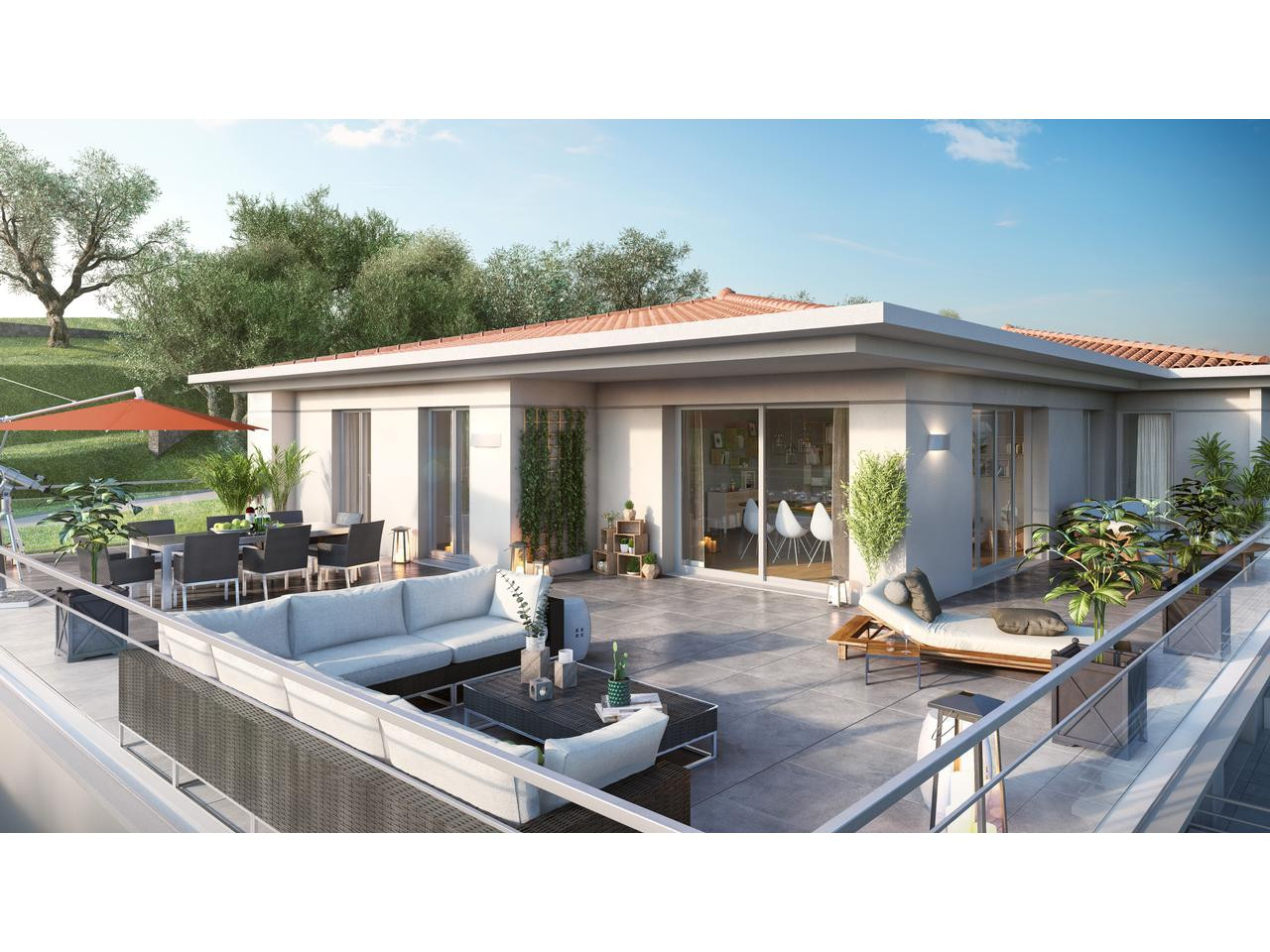
Nice continues to draw the attention of international buyers due to its Mediterranean lifestyle, proximity to the airport, and cultural appeal. Many investors seek a location that combines a high quality of life with steady demand from tourism, business events, and long-term residents. Nice offers this balance while also benefiting from strong domestic demand from French citizens who live and work there year-round. Buyers often compare Nice to nearby areas such as Monaco or Cannes, but Nice typically provides a more balanced entry price, wider housing stock, and deeper rental demand. These factors make the market useful for buyers seeking long-term stability, both for personal use and investment returns.
Why Is Nice an Important Real Estate Market in France?
Nice holds strategic value due to its role as a major coastal city, regional hub, and tourism center on the French Riviera. Its population has grown steadily over the past decade, driven by retirees, international residents, and professionals. The city hosts significant cultural events, museums, beaches, marinas, universities, and healthcare facilities, which support local housing demand beyond seasonal tourism. It is also located along a luxury corridor that connects Monaco, Villefranche-sur-Mer, Nice, Antibes, and Cannes, creating constant interest from buyers who want coastal homes with easy access to high-end neighborhoods. Nice Airport also plays a major role, offering direct flights to major global cities, which strengthens both short-term and long-term demand.
Key factors supporting demand include:
- Major airport with international routes
- Strong tourism sector and event calendar
- University population and business centers
- Growing foreign buyer demand for second homes
- Lower prices compared to Monaco or Saint-Tropez
- Rich cultural and lifestyle attractions
What Are the Current Property Prices in Nice in 2025?
Property prices vary depending on neighborhood, building condition, age, and access to sea views or city convenience. The overall average price per square meter in central Nice tends to be lower than Monaco or Cannes, making it attractive for buyers seeking a balance between affordability and long-term value. Waterfront areas typically command premium pricing due to demand from both international buyers and locals who want views and easy access to beaches. Interior neighborhoods offer more spacious homes at lower price points, appealing to families or long-term residents rather than holiday renters.
| Property Type | Average Price per m² | Typical Buyer | Notes |
| Standard Apartments | €5,000–€6,000 | Locals & expats | Common across central Nice |
| Luxury Waterfront Apartments | €8,500–€15,000+ | Foreign & premium buyers | Promenade des Anglais, Carré d’Or |
| Villas | €10,000–€20,000+ | High-net-worth buyers | Mont Boron, Cap de Nice |
| Suburban Neighborhoods | €3,500–€4,500 | Families | Higher space, lower cost |
Prices shift based on view, condition, outdoor space, and proximity to transit or marinas.
What Are the Most Expensive Neighborhoods in Nice?
Premium districts are centered around seaside locations, historic architecture, and high demand from international buyers who value privacy, security, and access to cultural attractions. Mont Boron attracts buyers looking for villas with panoramic views and larger land plots. The Carré d’Or area is favored for its proximity to beaches, shopping streets, and hotels, making it popular for apartments used part-time or as second homes. Cimiez appeals to buyers interested in historic buildings, gardens, and residential streets rather than tourist areas.
High-value areas to consider:
- Mont Boron – villas, sea views, exclusive hillside
- Carré d’Or – central luxury apartments, beach access
- Cap de Nice – coastal homes with high privacy
- Cimiez – elegant architecture, calm streets
These areas command higher resale potential due to limited supply and constant demand from international buyers.
Which Areas Offer Best Value for Long-Term Growth?
Value-focused neighborhoods tend to be away from the immediate waterfront while offering good transport access, retail areas, and renewed urban projects. Saint-Roch appeals to young professionals and students due to tram access and the developing housing stock. Pasteur offers lower purchase prices, attracting buyers seeking long-term rental demand rather than luxury. Madeleine provides access to both hillside and coastal routes, offering mixed housing options at a lower cost.
Areas often considered valuable opportunities:
| Neighborhood | Why It Stands Out | Price Level | Best For |
| Saint-Roch | Near tram + campus | Moderate | Rentals & starter homes |
| Pasteur | Affordable entry | Low | Long-term investors |
| Madeleine | Mixed stock, coastal road access | Lower-mid | Families & commuters |
These districts may see steady long-term growth as the city develops infrastructure and housing upgrades.
How Have Prices in Nice Changed Over the Past 5 Years?
Prices in Nice have shown gradual growth driven by tourism, local demand, and interest from European buyers seeking coastal homes with long-term value. The market performs differently compared to major business hubs like Paris or Lyon because Nice is influenced more by leisure, aviation access, and seasonal travel. Over the past five years, demand from foreign buyers has stayed strong, especially during periods when other destinations saw slower activity. Price changes also follow renovation policies, energy rules, and availability of premium waterfront homes, which remain limited and therefore hold high resale values.
| Year | Avg Price/m² | Market Trend | Notes |
| 2020 | ~€5,000 | Stable | Travel restrictions lowered transactions |
| 2021 | ~€5,200 | Moderate rise | Tourism recovery begins |
| 2022 | ~€5,350 | Higher demand | Foreign buyers return |
| 2023 | ~€5,500 | Continued growth | Luxury segment expands |
| 2024 | ~€5,650 | Strong premium sales | Low supply in top areas |
Compared to Paris, Nice grows more steadily rather than rapidly, making it attractive for long-term ownership.
What Rental Yields Can Investors Expect in Nice?
Rental yields depend on location, type of tenant, and whether the property serves long-stay renters or seasonal guests. Near waterfront areas, furnished rentals can command higher rates, especially during summer or major events. Neighborhoods near universities, tech hubs, and hospitals tend to support long-term rentals with lower vacancy. Investors should plan based on realistic occupancy rather than peak-season rates. Homes with balconies, sea views, and renovated interiors often attract better nightly rates, while larger apartments in residential districts suit families and students.
| Area | Avg Rent | Yield % | Tenant Type | Notes |
| Carré d’Or | High | 3–5% | Tourists & second-home buyers | Seasonal demand peak |
| Mont Boron | Very High | 3–4% | Premium renters | Luxury segment |
| Saint-Roch | Moderate | 5–6% | Long-term tenants | Student-friendly |
| Villefranche Border | High | 4–6% | International renters | Marina & coastal appeal |
Properties near landmarks, tram routes, or beaches tend to attract consistent demand.
Which Property Types Perform Best in Nice?
Different property types attract different buyers, so performance depends on how the home will be used. Apartments near beaches or the city center tend to be easier to rent throughout the year. Villas close to the Monaco corridor attract wealthy buyers who want privacy, security, and views, often using homes as holiday residences rather than rentals. New-build developments appeal to buyers who want modern systems and lower maintenance, while historic buildings attract those who value character but may require renovation. Every type serves a different investment strategy and buyer profile.
Apartments (City Center, Carré d’Or, Promenade des Anglais)
Apartments in central Nice appeal to investors seeking high occupancy and easy resale due to strong demand from both locals and international buyers. Areas like the Promenade des Anglais and Carré d’Or attract seasonal tenants who want beachfront access, while the city center supports year-round demand from students and working residents. These homes often require lower maintenance than villas and can be managed remotely through property managers. Investors choose apartments when they want consistent turnover, simple upkeep, and access to buildings with shared facilities such as lifts, security staff, or underground parking.
Luxury Villas (Mont Boron, Cap de Nice, Villefranche Border)
Villas in these districts draw buyers who want exclusivity, views, and proximity to Monaco. These properties typically serve as second homes, family retreats, or long-term holdings rather than frequent rentals due to high purchase prices and privacy expectations. Plots tend to be larger, with pools, gardens, and secure access points, making them attractive to high-net-worth individuals seeking homes that remain desirable over decades. These properties have a limited supply, which supports long-term value even during market fluctuations. Buyers often evaluate these homes based on privacy, land zoning, and future renovation potential.
New Developments vs. Historic Buildings (pros & cons)
New developments provide modern electrical systems, lifts, energy efficiency, and reduced maintenance costs. They often come with warranties and clearer documentation, making them easier for international buyers who want lower risk. However, they may have higher service fees and may lack the architectural charm found in older buildings. Historic homes offer unique style, larger rooms, and period details but may require renovation to meet energy regulations, especially for rentals. Choosing between the two depends on budget, long-term goals, and willingness to manage restoration projects.
Comparison Table
| Feature | New Builds | Historic Buildings |
| Maintenance | Low | Higher |
| Energy Ratings | Better | Varies |
| Architecture Style | Modern | Character features |
| Resale Demand | Young professionals | Luxury buyers |
| Purchase Price | Higher per m² | Varies widely |
How Does Tourism Affect Property Demand in Nice?
Tourism plays a major role in shaping demand for property in Nice because the city attracts millions of visitors through cruise ports, international flights, and cultural events such as the Nice Carnival and nearby Monaco Grand Prix. This ongoing activity keeps hotels booked and increases demand for furnished rentals, especially in areas near beaches, marinas, and historic districts. Owners who purchase homes in Nice may use them privately while renting them during peak seasons to generate income. Short-term rental pricing tends to rise during major events, while long-term rentals benefit from students, remote workers, and retirees who live in the city throughout the year. Tourism also drives demand for waterfront properties where visitors seek sea views and easy beach access.
Tourism Demand Drivers in Nice
- Cruise ship arrivals boost seasonal apartment demand
- Airport expansion brings direct flights from major international hubs
- Cultural festivals keep demand steady beyond the summer season
- Proximity to Monaco attracts high-spending visitors
- Conference tourism (tech, health, culture events) supports long-stay furnished rentals
How Do Foreign Buyers Influence the Market in Nice?
Foreign buyers strongly influence pricing in coastal districts because they often purchase in higher price brackets than local buyers, especially near the promenade, marinas, and hillside luxury areas. Buyers from Italy, Switzerland, the United Kingdom, Scandinavia, the United States, and the UAE often look for second homes that combine lifestyle benefits with long-term value. Many prefer renovated apartments with sea views or villas near Monaco, where international communities are established. Financing plays a role too, as non-resident buyers sometimes use cross-border lending or international banks rather than standard domestic loans. Living on the Côte d’Azur assists these clients by providing access to off-market listings, area guidance, and coordination across agencies to help them compare options efficiently.
Typical foreign buyer profiles in Nice
| Nationality | Preferred Property Type | Budget Range | Key Attraction |
| Italians | City apartments & villas | Mid–High | Proximity + lifestyle |
| British | Holiday apartments | Mid | Beach access |
| Swiss & Nordics | Sea-view luxury | High | Winter escape |
| Americans | Large apartments & villas | High | Long stays |
| UAE Buyers | Waterfront penthouses | High–Ultra | Status + privacy |
What Are the Legal and Tax Rules That Impact Buyers in Nice?
Foreigners can purchase homes in Nice without residency, but purchases still follow French ownership laws, taxation rules, and property standards. Buyers must prepare for purchase taxes, annual property taxes, and potential wealth taxes if their total assets exceed government thresholds. Rental rules differ depending on whether a property is used as short-term accommodation or long-stay housing. In high-tourism zones, permits may be required, and buyers should confirm legality before listing a home online. Energy regulations also affect resale and rental value because homes with lower efficiency ratings may face pricing pressure or renovation requirements later. Living on the Côte d’Azur helps buyers connect with bilingual notaries, accountants, and legal advisers to ensure compliance throughout the transaction.
Key areas that matter for investors
- Residency is not required for ownership
- Tourist districts may need rental authorisation
- Wealth tax applies to large property portfolios
- Energy certification rules impact pricing and rental approval
- Legal documents and contracts are issued in French
What Are the Major Development & Infrastructure Projects Shaping Future Value?
Ongoing upgrades across Nice influence long-term property demand by improving transport access, public spaces, and new residential districts. Recent investments include tram line extensions that link neighborhoods previously considered too far from the city center, making them more appealing to year-round residents. Port renovations and waterfront planning add value to surrounding properties as public access, marina facilities, and commercial areas expand. Eco-districts aim to modernise housing supply with greener construction and better utilities. Expansion toward the Monaco corridor may raise interest in hillside homes that offer sea views without reaching Monaco-level prices. Buyers working with Living on the Côte d’Azur often review upcoming zoning changes before choosing an area, since future development can influence resale opportunity.
Future value drivers
- New transit routes increase residential mobility
- Waterfront upgrades support demand for luxury apartments
- Eco-district construction raises standards for new housing
- Expansion near Monaco strengthens high-end demand
- Public space upgrades support tourism and long-stay living
What Risks Should Investors Consider Before Buying in Nice?
Nice has strong long-term appeal, but buyers should consider financial, regulatory, and environmental factors before committing. Areas close to beaches and cliffs may face erosion or flood risk depending on elevation and building structure. Tourist regulations may tighten in certain zones, affecting short-term rental income. Premium neighborhoods may experience price pressure if buyers overpay due to limited supply, especially when competing for waterfront listings. Apartments with shared facilities may carry higher association fees due to maintenance expenses such as lifts, security, pools, or heritage restoration. Working with a local expert helps identify which areas offer stability and which may require deeper research before purchase.
Potential risk factors
- Coastal erosion and environmental zoning rules
- Rental licensing requirements in tourist areas
- Rising HOA fees in older buildings
- Overpricing in high-competition luxury zones
- Currency changes for non-Euro buyers
Is Now a Good Time to Buy Property in Nice? Market Forecast for 2025–2026
Nice remains attractive due to its international appeal, strong tourism base, and transport access. Price growth may stay steady rather than rapid, especially in central neighborhoods supported by local demand. Luxury homes near Monaco or sea-view locations may continue rising due to limited supply. Mortgage conditions depend on European interest rates, though some buyers rely on cash rather than borrowing. Foreign interest is expected to remain high because Nice offers a more accessible price range than Monaco while providing similar lifestyle benefits. Buyers who want long-term use combined with rental flexibility often choose Nice as a balanced entry point on the Riviera.
Market outlook highlights
- Stable growth expected in coastal areas
- Strong demand from foreign buyers in the luxury segments
- Investment appeal increases with direct airport access
- Renovated homes outperform older stock in resale value
How Living on the Côte d’Azur Supports Foreign Buyers Looking for Property in Nice
Many international buyers search for a home in Nice while living abroad, which can make it difficult to compare areas, confirm legal requirements, and access the best listings. Living on the Côte d’Azur helps buyers by gathering properties from multiple agents, private owners, and off-market sources to create more choice than a single agency can offer. We arrange private visits, share local guidance on districts, and coordinate with trusted bilingual notaries so clients feel supported through each step. After purchase, we help connect buyers with renovation teams, designers, rental services, and trusted partners, which makes long-distance ownership easier and more practical.
How we assist:
- Private access to premium and off-market homes
- Help comparing neighborhoods and price conditions
- Legal and document support through bilingual partners
- On-ground viewing and purchase coordination
- Guidance on year-round or seasonal rental strategies
FAQs About the Nice Real Estate Market
Is Nice cheaper than Cannes or Monaco?
Generally, yes, especially compared to Monaco, where prices are much higher. Nice offers a broader range of homes and more entry-level coastal options.
Can foreigners buy property in Nice?
Yes, foreign ownership is allowed without residency, though legal documents are issued in French.
Are short-term rentals still profitable?
They can be, especially near beaches and festival zones, but some areas require rental permissions.
What is the best area for holiday homes?
Carré d’Or, Promenade des Anglais, and Mont Boron are popular due to views, access, and high resale demand.
 //
//