
Most American investors are surprised to learn that ultra-luxury properties can appreciate at rates over double those of standard homes in major global markets. The allure of French Riviera estates and other elite destinations goes far beyond simple ownership, offering access to historical prestige and unique cultural experiences. This guide explores what sets luxury property acquisition apart, outlining the steps, key asset types, and evolving market trends every American buyer needs to understand.
Table of Contents
- Defining Luxury Property Acquisition
- Types Of Luxury Real Estate Assets
- Key Acquisition Steps And Legal Framework
- Financial Implications And Tax Strategies
- Risks, Challenges, And Market Trends 2025
Key Takeaways
| Point | Details |
|---|---|
| Luxury Property Acquisition | Represents a strategic approach focused on exceptional design, prime location, and investment potential, emphasizing the importance of lifestyle over mere ownership. |
| Types of Luxury Real Estate Assets | Encompasses diverse categories, including waterfront estates and urban luxury residences, catering to sophisticated investors’ varied preferences and potential for appreciation. |
| Acquisition Steps and Legal Framework | Requires meticulous market research, legal verification, and proper financial structuring to navigate complex regulations, particularly in markets like the French Riviera. |
| Financial Implications and Tax Strategies | Demands comprehensive tax planning and understanding of international regulations to optimize long-term investment returns while managing risks. |
Defining Luxury Property Acquisition
In the rarefied world of global real estate investment, luxury property acquisition transcends traditional purchasing paradigms, representing a strategic approach to accumulating assets that blend exceptional design, prime geographical positioning, and unparalleled investment potential. Ultra-luxury real estate investment represents the pinnacle of sophisticated asset allocation, where discerning investors seek properties that are not merely structures, but comprehensive lifestyle statements.
Luxury property acquisition distinguishes itself through several critical characteristics. Properties in this segment are meticulously defined by their exceptional quality, featuring unparalleled architectural design, exclusive locations, and bespoke amenities that elevate them far beyond standard residential offerings. According to market research, these properties are segmented into distinct tiers – with ultra-luxury representing the absolute apex of real estate investment. Prime geographical locations like the French Riviera become crucial, where properties offer not just living spaces, but access to cultural experiences, historical significance, and potential generational wealth transfer.
The core elements that define luxury property acquisition include:
- Location Excellence: Properties situated in globally recognized, prestigious regions
- Architectural Significance: Unique design elements that showcase masterful craftsmanship
- Technological Integration: Smart home features and cutting-edge infrastructure
- Privacy and Exclusivity: Gated communities, restricted access, and security provisions
- Investment Potential: Consistent appreciation rates and strong rental yield opportunities
For visionary investors, luxury property acquisition represents more than a financial transaction – it is a nuanced art form of asset selection that requires deep market understanding, strategic foresight, and an appreciation for properties that transcend mere monetary value. The French Riviera emerges as a quintessential canvas for such investments, offering a unique convergence of historical charm, modern luxury, and significant investment potential.
Types of Luxury Real Estate Assets
The landscape of luxury real estate assets encompasses a diverse range of high-end properties that cater to sophisticated investors seeking more than traditional residential investments. Luxury real estate consultancy reveals that these assets are strategically categorized to meet the nuanced demands of discerning global investors, ranging from waterfront estates to historic chateaux with significant architectural pedigree.

Luxury real estate assets can be broadly classified into several distinctive categories that reflect unique investment characteristics and lifestyle propositions. Coastal properties along the French Riviera represent a premier segment, offering exceptional maritime views, historic architectural significance, and potential for substantial appreciation. Urban luxury properties in global metropolises like Paris provide alternative investment vehicles characterized by prime location, architectural heritage, and consistent value retention. Countryside estates and vineyard properties present another compelling asset class, offering privacy, potential agricultural revenue streams, and connection to regional cultural narratives.
The primary types of luxury real estate assets include:
- Waterfront Estates: Oceanfront and coastal properties with panoramic views
- Historic Chateaux: Restored historical properties with significant architectural heritage
- Modern Architectural Marvels: Contemporary designs featuring cutting-edge technology and sustainable innovations
- Urban Luxury Residences: High-end apartments and penthouses in prime city locations
- Rural Domains: Expansive countryside properties with potential agricultural or tourism revenue
Each luxury real estate asset represents a sophisticated investment strategy that transcends traditional real estate transactions. These properties are not merely physical structures but sophisticated financial instruments that offer potential appreciation, lifestyle enhancement, and a tangible connection to cultural and geographical narratives. The French Riviera emerges as a quintessential marketplace where these diverse luxury real estate assets converge, offering investors an unparalleled opportunity to diversify their portfolios with properties that embody both aesthetic excellence and strategic financial potential.
Key Acquisition Steps and Legal Framework
Navigating the complex terrain of luxury real estate acquisition requires a meticulous approach that balances sophisticated financial strategy with comprehensive legal understanding. Essential luxury real estate checklists provide critical guidance for international investors seeking to successfully navigate the intricate landscape of high-end property transactions, particularly within the nuanced French real estate market.
The acquisition process for luxury properties involves multiple critical stages that demand extensive due diligence and strategic planning. Investors must first conduct comprehensive market research, analyzing historical price trends, potential appreciation rates, and local regulatory environments. This initial phase requires thorough examination of property titles, potential legal encumbrances, zoning regulations, and potential inheritance or tax implications. French real estate law presents unique considerations for international buyers, including specific regulations surrounding foreign ownership, taxation structures, and property transfer protocols that can significantly impact investment outcomes.
Key acquisition steps for luxury real estate investors include:
- Market Analysis: Comprehensive research of regional property markets
- Legal Verification: Detailed title search and regulatory compliance check
- Financial Structuring: Mortgage pre-qualification and investment strategy alignment
- Technical Assessment: Comprehensive property condition and valuation evaluation
- Tax Planning: Strategic consultation on inheritance, capital gains, and local tax implications
- Negotiation: Professional representation during purchase discussions
The legal framework surrounding luxury property acquisition demands sophisticated understanding of international and local regulations. Successful investors recognize that these transactions extend far beyond simple real estate purchases, representing complex financial instruments that require nuanced strategic approach. Engaging specialized legal counsel with expertise in French property law becomes essential, ensuring that investors navigate potential regulatory complexities while protecting their significant financial interests in these high-value asset acquisitions.
Financial Implications and Tax Strategies
Luxury real estate investments represent sophisticated financial instruments that extend far beyond traditional property ownership, demanding comprehensive strategic planning and nuanced understanding of complex fiscal landscapes. Market analysis of luxury real estate investments reveals critical insights into the intricate financial frameworks that distinguish high-end property acquisitions from standard real estate transactions, particularly within the exclusive French Riviera market.
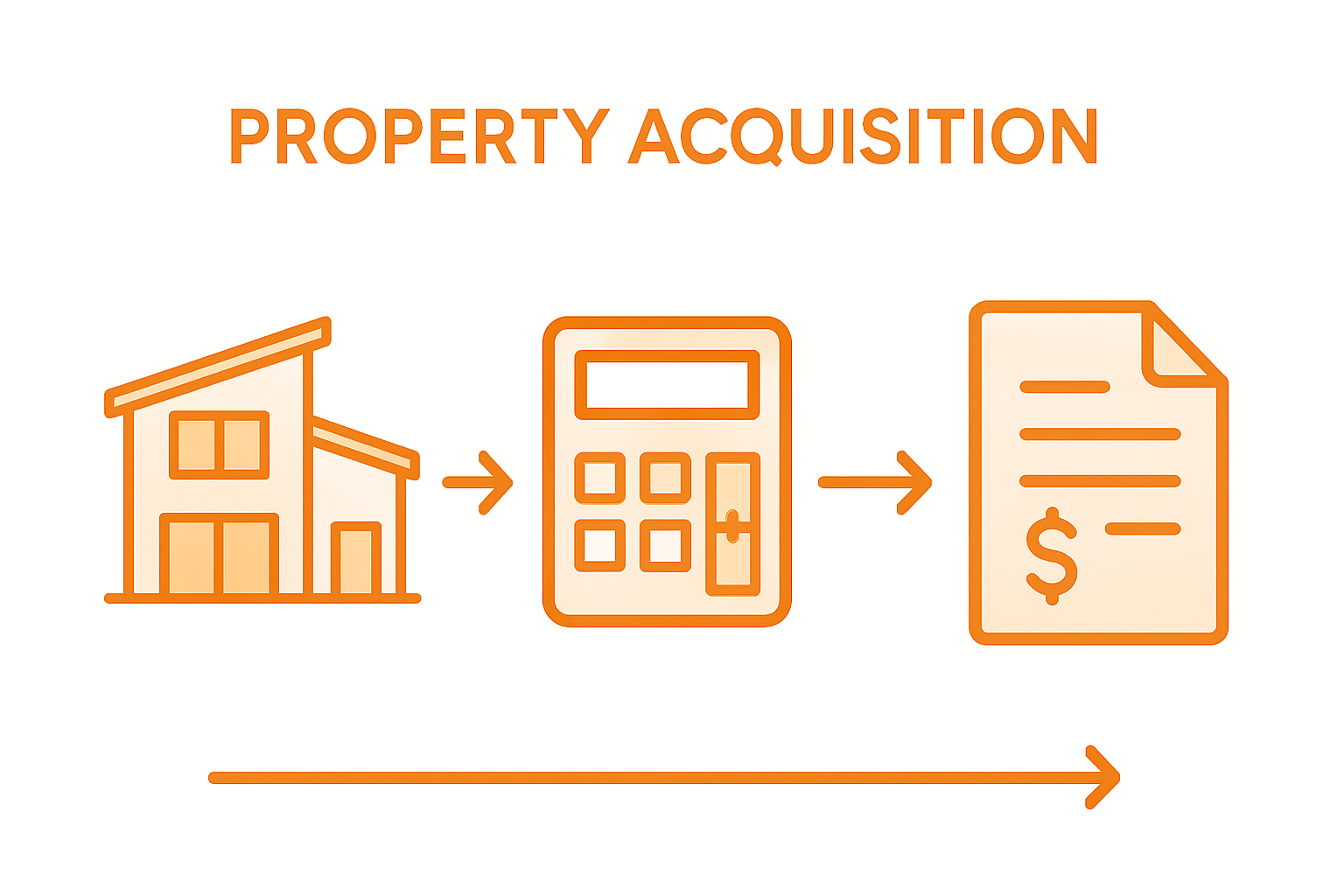
The financial implications of luxury property investments encompass multiple sophisticated dimensions that require meticulous consideration. Investors must navigate complex taxation structures, including potential capital gains taxes, inheritance regulations, and international wealth transfer protocols. French property investments present unique fiscal opportunities, with strategic approaches that can potentially minimize tax liabilities while maximizing long-term asset appreciation. Understanding the nuanced interplay between local tax laws, international investment regulations, and potential rental income streams becomes paramount for discerning investors seeking to optimize their financial strategies.
Key financial considerations for luxury real estate investments include:
- Comprehensive Tax Planning: Strategic approaches to minimize tax liabilities
- International Wealth Structuring: Optimal legal frameworks for asset protection
- Rental Income Potential: Analyzing potential revenue streams from high-end properties
- Capital Appreciation Forecasting: Long-term value projection strategies
- Currency Exchange Risk Management: Mitigating financial volatility
- Investment Portfolio Diversification: Balancing real estate within broader investment strategies
Successful luxury property investors recognize that financial success extends beyond immediate acquisition, requiring a holistic approach that balances immediate fiscal considerations with long-term strategic planning. The French Riviera emerges as a particularly compelling marketplace, offering investors a unique convergence of cultural prestige, potential appreciation, and sophisticated financial engineering that transforms luxury real estate from a mere asset into a comprehensive wealth management strategy.
Risks, Challenges, and Market Trends 2025
The luxury real estate market in 2025 presents a complex landscape of unprecedented opportunities and nuanced challenges that demand sophisticated investor strategy and keen market insight. Emerging luxury real estate market trends reveal a transformative period where traditional investment paradigms are being reshaped by technological disruption, geopolitical dynamics, and evolving consumer preferences, particularly within the exclusive French Riviera marketplace.
Significant market risks and challenges emerge as critical considerations for discerning investors navigating the luxury property ecosystem. Geopolitical uncertainties, potential economic fluctuations, and rapidly shifting regulatory environments create a multifaceted risk landscape that requires dynamic adaptation. The French real estate market specifically faces unique challenges, including potential changes in international investment regulations, potential taxation modifications, and the ongoing impact of global economic recalibrations. Technological innovations and sustainability requirements are increasingly becoming decisive factors in property valuation, compelling investors to recalibrate their strategic approaches.
Key risks and market trends for luxury real estate in 2025 include:
- Technological Disruption: AI-driven property valuation and blockchain property transactions
- Sustainability Requirements: Increasing emphasis on eco-friendly and energy-efficient properties
- Geopolitical Volatility: Impact of international regulatory changes on cross-border investments
- Demographic Shifts: Changing preferences of high-net-worth younger investors
- Climate Resilience: Growing importance of properties resistant to environmental changes
- Digital Transformation: Integration of smart home technologies and virtual property experiences
Investors who successfully navigate the 2025 luxury real estate landscape will demonstrate exceptional adaptability, combining deep market understanding with forward-looking strategic planning. The French Riviera remains a compelling investment destination, offering a unique intersection of historical prestige, technological innovation, and potential long-term value appreciation that transcends traditional real estate investment models.
Elevate Your Legacy with Expert Luxury Property Guidance on the French Riviera
Navigating the intricate world of luxury property acquisition demands more than just passion for stunning estates. From understanding legal frameworks and tax strategies to capturing the essence of exclusive locations like the French Riviera, your journey requires sharp insight and tailored expertise. Whether your goal is securing a seafront legacy in Cannes, investing in eco-luxury villas 2025, or embracing next-generation smart homes along the Côte d’Azur, mastering these complexities is essential to maximize your investment potential and build multigenerational wealth.
At Living on the Côte d’Azur, we transform your luxury real estate aspirations into action. Our team specializes in guiding discerning investors through every step — from market analysis and due diligence to identifying unique properties in hotspots like Cap d’Antibes and Monaco borders. Learn how to leverage targeted tax planning and navigate French property law with confidence by accessing our comprehensive essential luxury real estate checklists. Ready to claim your chapter in the Riviera’s timeless legacy? Connect with our experts now and begin your exclusive journey toward a distinctive and enduring Riviera investment.
Frequently Asked Questions
What are the key characteristics of luxury property acquisition?
Luxury property acquisition is defined by location excellence, architectural significance, technological integration, privacy and exclusivity, and strong investment potential.
How is luxury real estate categorized?
Luxury real estate assets are categorized into several types, including waterfront estates, historic chateaux, modern architectural marvels, urban luxury residences, and rural domains, each offering unique investment opportunities and lifestyle benefits.
What essential steps should investors take during the acquisition process?
Investors should conduct market analysis, verify legal compliance, plan finances, assess property conditions, strategize tax implications, and negotiate effectively to successfully navigate the acquisition process for luxury properties.
What financial considerations should be kept in mind when investing in luxury real estate?
Key financial considerations include comprehensive tax planning, international wealth structuring, potential rental income, capital appreciation forecasting, currency exchange risk management, and investment portfolio diversification.
Recommended
- The concept of Ultra Luxury on the French Riviera – Living on the Côte d’Azur
- A Legacy of Luxury: High-End investment in the French Riviera – Living on the Côte d’Azur
- Video: Start your Bed and Breakfast in Colomars (Nice) – Living on the Côte d’Azur
- Trilogy House (Sharei Chessed)
- Production vidéo immobilière : des vidéos de propriétés époustouflantes qui vendent
 //
//