
More than half of all British second home investors now look to French Alpine properties for dual-season rental returns. With both winter skiing and summer adventure drawing steady streams of visitors, savvy British buyers recognize the unmatched income potential these mountains provide. Understanding how to approach goals, site selection, regulations, management, and marketing in this unique market is key to maximizing returns from your Alpine investment.
Table of Contents
- Step 1: Define Your Investment Goals For Dual-Season Returns
- Step 2: Select Prime New Construction Sites Near Ski And Summer Hotspots
- Step 3: Evaluate Legal Requirements And Secure Vat Rebate Eligibility
- Step 4: Appoint Luxury Property Management For Seamless Guest Experience
- Step 5: Optimise Marketing Strategies To Maximise Occupancy And Roi
Quick Summary
| Key Insight | Explanation |
|---|---|
| 1. Define dual-season rental goals | Establish clear investment objectives for both winter and summer rentals to enhance profitability. |
| 2. Choose prime locations wisely | Select investment sites near ski lifts and summer attractions for maximum rental potential throughout the year. |
| 3. Understand VAT rebate requirements | Familiarise yourself with VAT rules and eligibility to recover costs, ensuring compliance with local regulations. |
| 4. Hire expert property management | Appoint a knowledgeable management team to improve guest experiences and optimise rental income across seasons. |
| 5. Develop targeted marketing strategies | Implement a robust digital marketing plan that highlights seasonal features and attracts diverse guests year-round. |
Step 1: Define your investment goals for dual-season returns
Setting clear investment goals for your French Alpine property requires strategic thinking about both winter and summer rental potential. Maximising profitability across seasons demands a comprehensive approach to property investment.
First, understand that alpine properties offer unique opportunities for year round income. During winter months, skiing enthusiasts will drive strong rental demand for your chalet or apartment. Typically, this season runs from December through April, with peak periods around Christmas, New Year, and February half term. Summer presents a different but equally lucrative market, with hiking, mountain biking, and outdoor festivals attracting tourists from June through September.
To define your investment goals effectively, consider key metrics like potential occupancy rates and anticipated rental income. Investors should develop an operating budget that accounts for mountain specific costs and potential revenue streams across both seasons. Research local tourism trends, proximity to ski lifts and summer attractions, and potential property management costs.
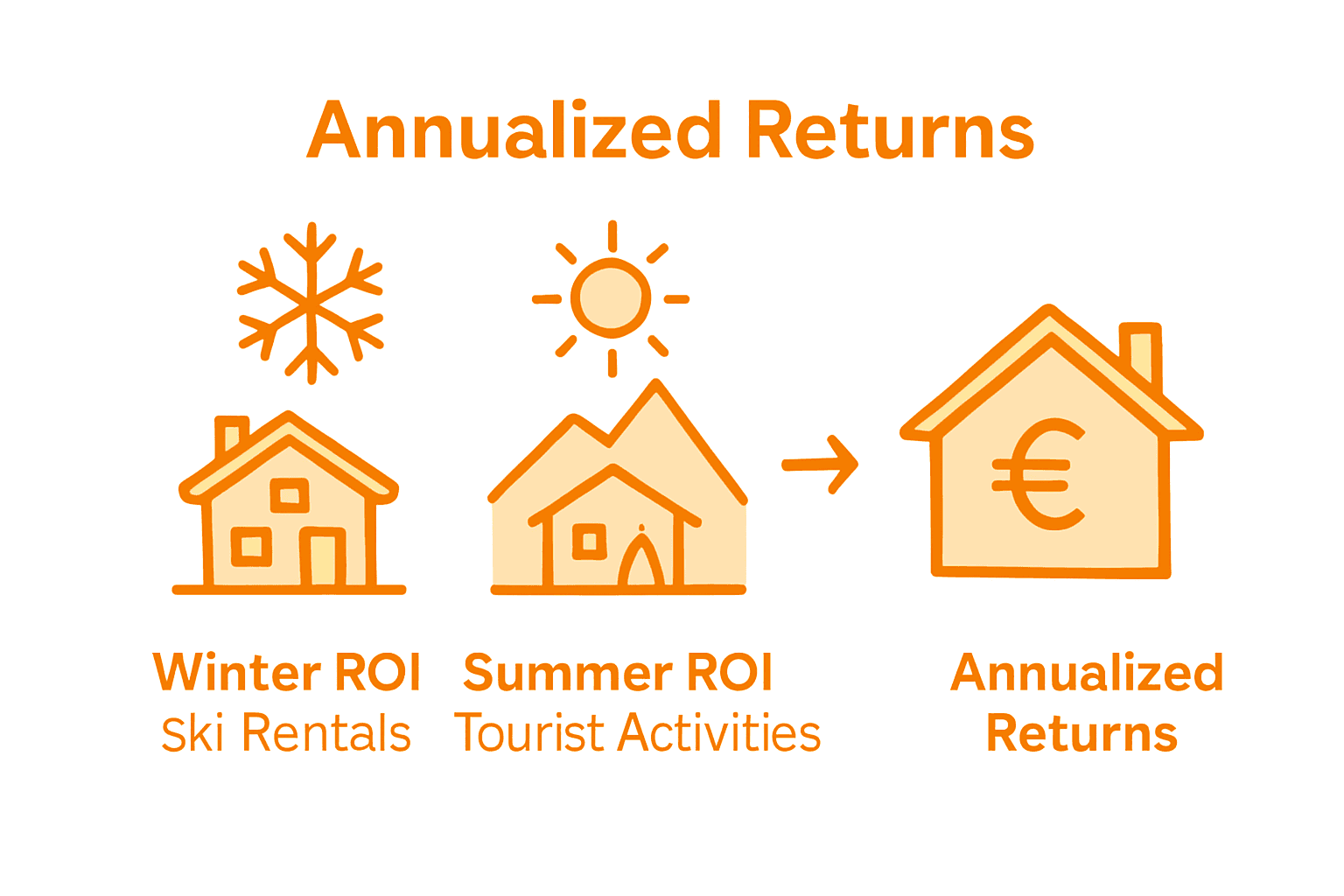
Pro tip: Create a detailed spreadsheet tracking potential winter and summer rental rates, accounting for peak and off peak periods to get a realistic view of your expected annual returns.
Here is a comparison of how winter and summer seasons influence rental potential for French Alpine property investments:
| Season | Primary Activities | Typical Occupants | Peak Demand Periods |
|---|---|---|---|
| Winter | Skiing, snowboarding | Ski enthusiasts, families | December–April, holidays |
| Summer | Hiking, festivals, biking | Outdoor adventurers | June–September, festivals |
Step 2: Select prime new construction sites near ski and summer hotspots
Choosing the right location for your French Alpine investment requires careful consideration of both winter and summer potential. Identifying top-performing areas involves understanding the unique characteristics that make certain mountain destinations truly exceptional.
Focus on regions that offer robust infrastructure and year-round appeal. Destinations like Val d’Isère and Chamonix stand out for their comprehensive amenities and diverse recreational opportunities. When selecting new construction sites, prioritise locations with proximity to ski slopes, vibrant resort atmospheres, and multiple seasonal activities. Look for areas that feature extensive ski networks during winter and transform into hiking, mountain biking, and outdoor festival destinations during summer months.
Careful site selection means examining factors beyond immediate scenic beauty. Investigate local tourism statistics, planned infrastructure developments, accessibility via airports and major highways, and the potential for consistent rental income across different seasons. Some regions offer additional benefits like proximity to national parks, established tourism networks, and emerging wellness and adventure tourism markets.
Pro tip: Schedule multiple site visits during different seasons to truly understand the location’s year round potential and verify the information provided by local real estate agents and tourism boards.
To help evaluate prime investment sites in the French Alps, consider these key regional factors:
| Region | Winter Features | Summer Attractions | Accessibility |
|---|---|---|---|
| Val d’Isère | Extensive ski slopes | Mountain biking, hiking | Airport, major highways |
| Chamonix | Diverse snow sports | Outdoor festivals, climbing | Rail, road, air connections |
| Les Deux Alpes | Snow parks, ski schools | Summer glacier skiing, events | Regional transport links |
Step 3: Evaluate legal requirements and secure VAT rebate eligibility
Navigating the legal landscape of French Alpine property investment requires meticulous attention to detail and strategic financial planning. Understanding the intricacies of VAT rebates can significantly impact your overall investment returns and should be approached with careful consideration.
To qualify for VAT rebates on new construction properties in the French Alps, you must commit to renting out the property for a minimum of 20 years. This means creating a comprehensive rental strategy that maximises occupancy during both winter and summer seasons. The standard VAT rate for new builds is 20 per cent, but investors can reclaim most of this amount by adhering to specific rental commitments. Your property must be furnished and equipped to professional rental standards, with specific documentation proving its availability for tourist accommodation.
Working with a qualified French tax specialist or real estate lawyer who understands the nuanced regulations surrounding property investments is crucial. They can help you structure your investment to maximise VAT recovery, ensure compliance with local rental regulations, and navigate the complex paperwork required for international property ownership. Pay close attention to requirements such as minimum rental periods, permitted usage restrictions, and potential tax implications for foreign investors.
Pro tip: Maintain meticulous records of all rental income, expenses, and property-related documentation to support your VAT rebate claims and demonstrate ongoing compliance with French property investment regulations.
Step 4: Appoint luxury property management for seamless guest experience
Selecting the right property management team is crucial to maximising your French Alpine investment and ensuring exceptional guest experiences across both winter and summer seasons. Leveraging professional management services can transform your property investment into a reliable and profitable venture.
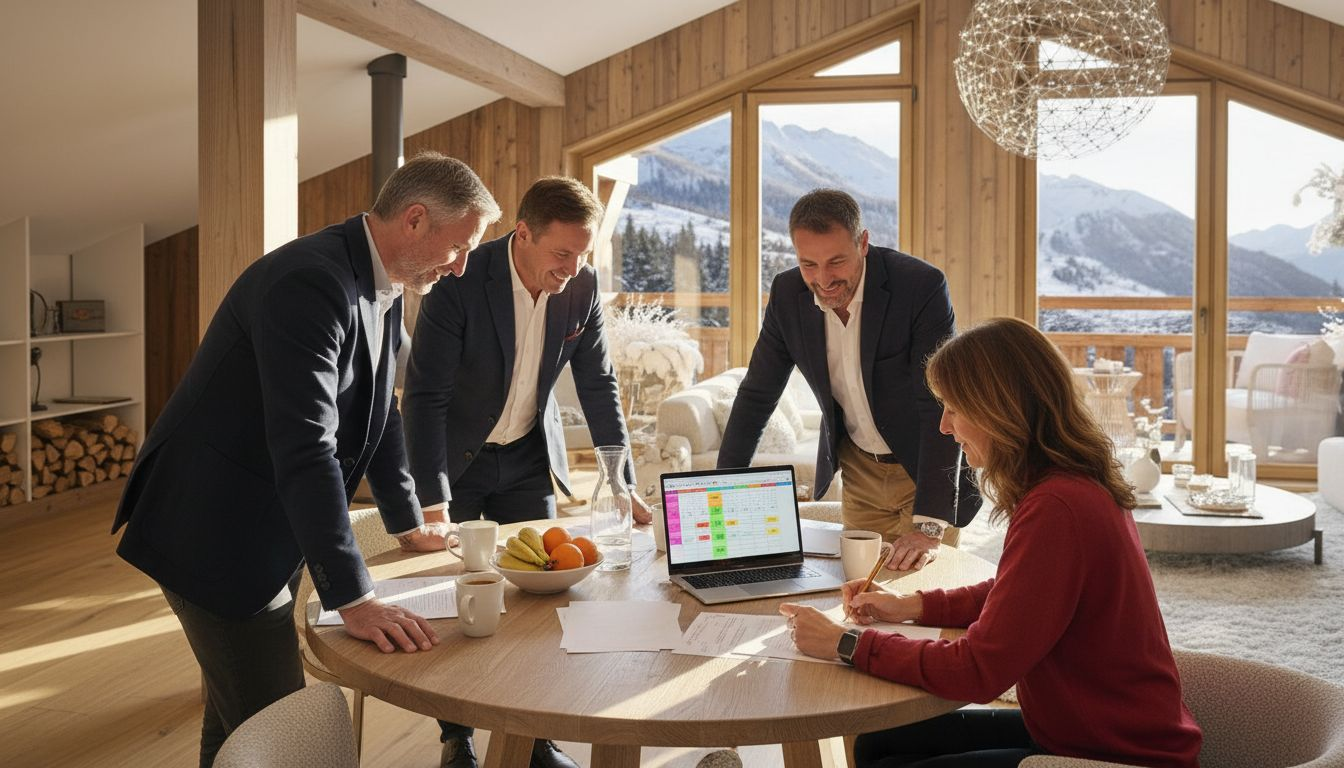
When appointing a luxury property management company, seek out specialists with deep local knowledge of the French Alpine region and proven expertise in managing high end rental properties. Look for teams that offer comprehensive services including marketing, guest communication, maintenance, cleaning, key management, and rapid response to guest needs. Their ability to handle complex logistics during peak winter and summer seasons will directly impact your rental income and property reputation.
Ensure your chosen management team understands the unique requirements of dual season rentals. They should have robust systems for marketing your property to both winter skiing enthusiasts and summer outdoor adventure seekers. This includes professional photography, strategic online listings, dynamic pricing strategies, and the ability to quickly adapt to seasonal demand fluctuations. A top tier management company will also handle complex tasks like coordinating maintenance, managing utility services, and ensuring your property meets all local rental regulations.
Pro tip: Request detailed performance reports and guest feedback summaries from potential management companies to assess their track record of maintaining high occupancy rates and guest satisfaction levels.
Step 5: Optimise marketing strategies to maximise occupancy and ROI
Creating a powerful marketing approach for your French Alpine property requires strategic thinking that captures the unique appeal of both winter and summer seasons. Understanding sophisticated marketing techniques can significantly enhance your property’s rental potential.
Focus on developing a comprehensive digital marketing strategy that showcases your property’s distinctive features across multiple platforms. Professional photography and videography are essential for highlighting the property’s unique attributes during different seasons. Create compelling visual narratives that demonstrate the versatility of your alpine investment winter ski access, summer hiking trails, and year round mountain experiences. Leverage targeted digital advertising on platforms frequented by luxury travellers including Instagram, specialised ski and travel websites, and international property rental platforms.
Develop a dynamic pricing strategy that reflects seasonal demand and local events. This means adjusting rates to capitalise on peak winter ski periods and summer festival seasons while maintaining competitive pricing during shoulder seasons. Consider offering attractive packages that bundle experiences such as ski passes, mountain guide services, or summer adventure activities. Build a strong online reputation by encouraging guest reviews, responding promptly to feedback, and maintaining an exceptional standard of property presentation and guest service.
Pro tip: Invest in professional content creation that tells a compelling story about your property unique location and the extraordinary experiences it offers potential guests.
Unlock Dual-Season Investment Success with Living on the Côte d’Azur
Investing in new construction in the French Alps offers a unique challenge: securing robust returns through both winter skiing seasons and vibrant summer tourism. This requires carefully balancing strategic location choices near ski lifts and hiking trails, navigating complex VAT rebate eligibility, and ensuring seamless year-round property management to maximise occupancy. The article highlights these pivotal goals while emphasising the need for expert guidance in legal frameworks and marketing optimisation.
At Living on the Côte d’Azur, we understand how luxury property investments demand a blend of heritage, lifestyle, and financial insight. Although our primary focus is the French Riviera, our expertise in navigating high-end developments, securing compliance, and crafting compelling legacy investments aligns perfectly with alpine ventures seeking lasting value. Whether you are looking to complement your alpine portfolio with Mediterranean luxury or explore eco-conscious new constructions that fuse sustainable design with exceptional ROI, our team is ready to guide you every step of the way.
Take control of your investment journey now. To discover how to maximise your property’s value across seasons and benefit from hands-on support with legal audits, tax optimisation, and premium marketing strategies, connect with our specialists today. Learn how to harmonise alpine dual-season investments with iconic Riviera opportunities by reaching out through our contact page. Begin creating your portfolio of enduring luxury that spans mountain peaks and sun-kissed shores.
Explore more on building your legacy and unlocking Riviera riches at Living on the Côte d’Azur where your vision becomes heritage.
Frequently Asked Questions
What are the investment goals for a dual-season return in French Alpine properties?
To achieve a dual-season return, set clear investment goals that focus on rental potential for both winter and summer. Consider factors such as occupancy rates and rental income by creating a detailed spreadsheet that compares expected returns for each season.
How do I select the best location for new construction in the French Alps?
Prioritise locations near ski slopes and summer attractions that demonstrate robust infrastructure and year-round appeal. Conduct research on local tourism trends and visit potential sites during different seasons to understand their seasonal potential.
What are the legal requirements for investing in French Alpine properties?
Investors should be aware of the legal landscape, particularly regarding VAT rebates, which require a commitment to renting the property for a minimum of 20 years. Compile all necessary documentation to ensure compliance and consider working with a qualified legal expert to navigate regulations and maximise VAT recovery.
How can I ensure exceptional guest experiences for winter and summer rentals?
To maintain high guest satisfaction, appoint a luxury property management team that offers comprehensive services tailored to both winter and summer needs. Ensure that they have expertise in local rental markets and can handle guest communication and maintenance efficiently for the best possible rental experience.
What marketing strategies can I implement to maximise occupancy?
Develop a strong digital marketing strategy that highlights your property’s unique features for both winter and summer seasons. Use professional photography and adjust pricing dynamically according to seasonal demand to attract potential guests and maximise your occupancy rates.
How can I track my financial performance for dual-season rental income?
Create a financial tracking system that records all rental income and expenses associated with your property. Regularly review your records to gauge occupancy rates and adjust your strategies as needed to enhance overall profitability.
Recommended
 //
//