
Buying property on the French Riviera sounds like a dream for many investors. The numbers reveal just how exclusive this market is, with transaction fees alone typically adding about 7-8 percent to the property value. Most people get stuck comparing glossy photos or daydreaming about the view. But seasoned investors know the real opportunities come from what happens before you ever set foot in a villa—clear financial goals and deep local research separate a smart investment from an expensive mistake.
Table of Contents
- Step 1: Identify Your Investment Goals And Budget
- Step 2: Research Prime Locations And Property Types
- Step 3: Engage A Local Real Estate Expert
- Step 4: Analyze Market Trends And Property Valuations
- Step 5: Coordinate Financing And Legal Framework
- Step 6: Conduct Due Diligence And Complete The Purchase
Quick Summary
| Key Point | Explanation |
|---|---|
| 1. Define Investment Goals Clearly | Understand your reasons for investing and create a detailed budget, including all potential costs for better strategic planning. |
| 2. Research Locations and Property Types | Delve into local micromarkets to understand property appreciation trends and select investment types that align with your goals. |
| 3. Engage a Local Real Estate Expert | Collaborate with knowledgeable local professionals who can provide insights on market dynamics and help navigate the purchasing process. |
| 4. Conduct Comprehensive Due Diligence | Thoroughly verify property records and legal requirements to protect your investment and mitigate potential risks. |
| 5. Understand Financing and Legal Requirements | Familiarize yourself with French property laws and financial options to develop a well-structured acquisition strategy. |
Step 1: Identify Your Investment Goals and Budget
Successful investment in French Riviera real estate begins with crystal clear personal financial objectives and comprehensive budget planning. Understanding your precise investment motivation transforms a speculative purchase into a strategic financial move.
The French Riviera represents a unique real estate market where investment strategies vary dramatically between short term rental income generation, long term property appreciation, and personal lifestyle acquisition. Wealthy international investors typically pursue multiple simultaneous objectives when considering properties in this prestigious region.
Your initial financial assessment should encompass three critical dimensions: investment capital, expected return potential, and personal usage preferences. Determine whether you seek a pure investment property, a vacation home, or a hybrid asset that generates rental income while providing personal enjoyment. The French Riviera offers remarkable flexibility for sophisticated investors willing to strategically analyze market dynamics.
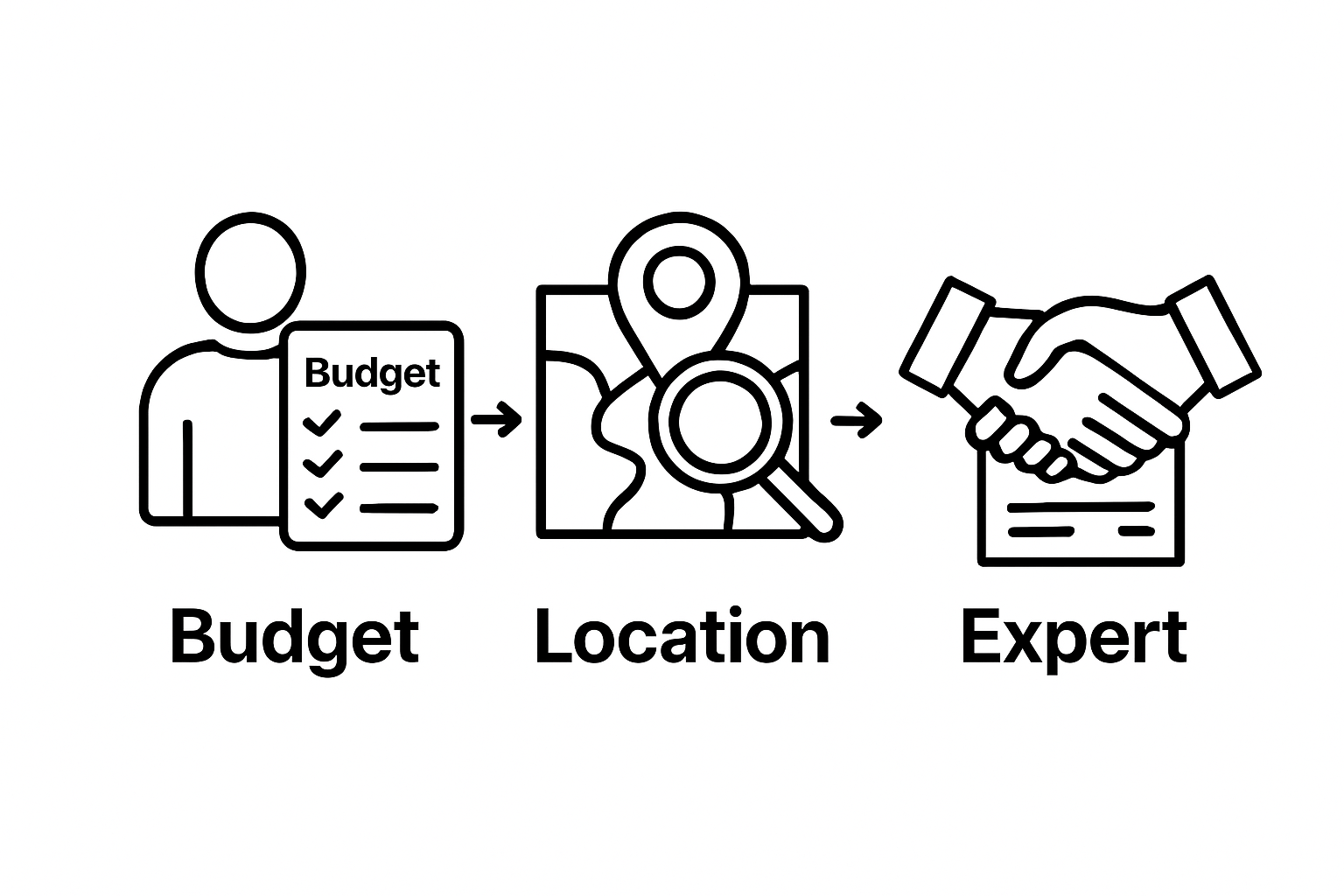
Financial preparation requires thorough evaluation of your total investment capacity. This means not just considering property purchase price, but also accounting for additional expenses such as:
- Transaction fees (approximately 7-8% of property value)
- Potential renovation costs
- Annual property maintenance expenses
- Local taxation requirements
- Potential currency exchange fluctuations
Professional financial advisors recommend allocating 15-20% above your base property budget to manage unexpected expenses and market variability. This buffer ensures you remain financially comfortable and can capitalize on opportunities without undue stress.
Working with specialized French Riviera real estate consultants can help refine your investment goals. These professionals provide nuanced insights into micromarket trends, helping you align your financial strategy with the most promising investment segments. According to World Bank Real Estate Market Analysis, understanding local market dynamics is crucial for successful international property investment.
By meticulously defining your investment goals and establishing a comprehensive budget, you transform potential risk into calculated opportunity within the French Riviera’s dynamic real estate landscape.
Step 2: Research Prime Locations and Property Types
Researching prime locations and property types represents the strategic cornerstone of French Riviera real estate investment. Successful investors understand that location transcends mere geographical coordinates and encompasses a complex ecosystem of economic potential, lifestyle appeal, and future development prospects.
The French Riviera offers a diverse landscape of investment opportunities, ranging from bustling coastal cities like Nice and Cannes to charming hillside villages such as Eze and Saint-Paul-de-Vence. Each micromarket presents unique characteristics that demand careful evaluation. Sophisticated investors conduct granular research beyond surface level attractions, delving into property appreciation trends, rental yield potential, and local infrastructure development plans.
Property type selection requires nuanced understanding of your investment objectives. Luxury apartments in Monaco’s Golden Triangle differ dramatically from renovatable stone houses in medieval villages. Residential categories range from modern high rise developments to historic Mediterranean villas, each presenting distinct investment profiles. Consider factors like architectural heritage, potential renovation costs, and local zoning regulations that might impact future property modifications or development potential.
Your research methodology should incorporate multiple intelligence streams:
- Local municipal development plans
- Historical property value appreciation rates
- Current and projected tourism trends
- Infrastructure investment announcements
- Neighborhood demographic shifts
Digital platforms and specialized real estate consultancies provide invaluable market insights. Interactive mapping tools, government statistical databases, and professional market reports can help you identify emerging investment zones before they become mainstream destinations.
Geographical microclimates within the French Riviera present fascinating investment variations. Coastal areas like Saint-Tropez attract high end tourism and luxury markets, while inland regions offer more affordable entry points with significant appreciation potential. Understanding these subtle market differentiations is crucial for strategic investment planning.
According to Local Real Estate Investment Analysis, successful investors meticulously map out location specific investment characteristics, transforming geographical research into a precise financial strategy.
Verify your research by cross referencing multiple authoritative sources, consulting local experts, and conducting thorough on site evaluations before making any investment commitments.
Step 3: Engage a Local Real Estate Expert
Engaging a local real estate expert transforms your French Riviera investment journey from uncertain speculation to strategic precision. Navigating the complex landscape of international property acquisition requires specialized local knowledge that transcends standard market research and connects you with insider perspectives typically unavailable to outside investors.
Your ideal local expert should possess a combination of deep regional understanding, extensive professional network, and proven track record in luxury real estate transactions. Look beyond basic credentials and seek professionals who demonstrate comprehensive knowledge of French property regulations, tax structures, and emerging market trends specific to the French Riviera.
The selection process demands meticulous evaluation. Interview potential experts thoroughly, assessing their communication style, depth of local market insight, and ability to articulate complex regulatory nuances. Experienced professionals will transparently discuss potential challenges, investment risks, and unique opportunities within specific micromarkets along the coastal region.
Key qualities to prioritize in your local real estate expert include:
- Multilingual communication capabilities
- Documented successful transactions in luxury markets
- Strong connections with local municipal authorities
- Comprehensive understanding of international investor requirements
- Proven negotiation skills in high stakes property transactions
Initial consultations should function as strategic planning sessions. A superior local expert will not merely showcase available properties but provide holistic investment advice tailored to your specific financial objectives. They should help you understand subtle market dynamics, potential appreciation trajectories, and strategic positioning within the French Riviera’s competitive real estate ecosystem.
Verification of an expert’s credentials represents a critical due diligence step. Request comprehensive references, review past transaction portfolios, and confirm professional certifications with relevant French real estate associations. Reputable experts will welcome such scrutiny and provide transparent documentation of their professional history.
Technology has transformed expert engagement, allowing preliminary consultations through video conferences, detailed digital property portfolios, and real time market insights. However, nothing replaces in person interactions, especially when navigating high value international property investments.
According to Local Real Estate Investment Analysis, successful international investors prioritize building strong relationships with local experts who can provide nuanced market intelligence.
Ultimately, your local real estate expert becomes more than a transaction facilitator they are a strategic partner guiding you through the intricate French Riviera property landscape.

Step 4: Analyze Market Trends and Property Valuations
Analyzing market trends and property valuations represents the analytical backbone of strategic French Riviera real estate investment. Successful investors transform raw market data into actionable financial intelligence, developing a nuanced understanding that extends far beyond superficial price comparisons.
The French Riviera presents a complex real estate ecosystem where property valuations fluctuate based on intricate factors including microlocation, architectural heritage, proximity to amenities, and international tourism dynamics. Comprehensive market analysis requires a multidimensional approach that integrates historical price trends, future development projections, and macroeconomic indicators specific to luxury coastal markets.
Your analytical process should encompass systematic research across multiple data sources. Professional investors leverage a combination of official government statistics, local real estate association reports, and specialized market intelligence platforms. Digital tools and sophisticated data visualization techniques can help decode complex market trends, allowing you to identify emerging investment opportunities before they become mainstream.
Key analytical dimensions to examine include:
- Historical price appreciation rates
- Seasonal rental yield potential
- Infrastructure development plans
- Local economic growth indicators
- Demographic migration patterns
Understanding price per square meter variations across different French Riviera submarkets becomes crucial. Coastal zones like Saint Tropez and Monaco demonstrate dramatically different valuation patterns compared to inland regions. Granular analysis helps investors distinguish between short term market fluctuations and sustainable long term value appreciation trends.
Technological platforms and data aggregation tools have revolutionized market research. Sophisticated investors utilize machine learning algorithms and predictive analytics to model potential investment scenarios, transforming complex datasets into clear strategic recommendations. Real time market monitoring allows for agile investment decision making, enabling you to capitalize on emerging opportunities swiftly.
Qualitative factors complement quantitative analysis. Local economic development plans, tourism infrastructure investments, and international business attraction strategies significantly impact property valuations. Engage with local economic development offices, attend real estate investment conferences, and maintain ongoing relationships with market intelligence professionals.
According to Notaires de France Real Estate Market Analysis, successful international investors develop a holistic understanding of market dynamics that extends beyond traditional valuation metrics.
Verify your analysis by cross referencing multiple authoritative sources, consulting local experts, and maintaining a dynamic, adaptable investment strategy that can respond to evolving market conditions.
Step 5: Coordinate Financing and Legal Framework
Coordinating financing and navigating the legal framework represents the most intricate phase of French Riviera real estate investment. International property acquisition demands sophisticated financial engineering and precise legal comprehension, transforming your investment strategy from conceptual planning to executable reality.
The French real estate legal landscape presents unique challenges for international investors. Regulatory complexity requires a multilayered approach involving financial advisors, legal experts, and tax specialists who understand the nuanced interactions between international investment structures and French property regulations.
Financing strategies for French Riviera properties extend far beyond traditional mortgage approaches. Sophisticated investors explore multiple financial instruments, including international banking relationships, specialized real estate investment vehicles, and strategic tax optimization structures. Prudent investors develop comprehensive financial models that account for currency exchange risks, potential tax implications, and long term investment performance metrics.
Critical financial and legal considerations include:
- Establishing appropriate legal ownership structures
- Understanding French property tax regulations
- Navigating international banking requirements
- Evaluating potential investment vehicle options
- Assessing potential inheritance and transfer tax implications
Consider establishing a Société Civile Immobilière (SCI), a specialized French legal structure that offers significant advantages for international property investors. This vehicle provides enhanced flexibility in property ownership, potential tax optimization, and simplified inheritance planning. Professional legal counsel becomes essential in structuring these complex financial arrangements.
International banking relationships play a crucial role in successful property acquisition. Select financial institutions with demonstrated expertise in cross border real estate transactions. Look for partners offering specialized services such as multi currency accounts, preferential exchange rates, and tailored financing solutions for luxury international properties.
Tax planning represents a critical component of your financial strategy. France maintains complex tax regulations that can significantly impact investment returns. Engage specialized tax advisors who understand both your home country’s tax framework and French regulatory requirements to develop a comprehensive, legally compliant investment approach.
According to OECD Financing Housing Analysis, successful international real estate investors prioritize comprehensive financial and legal preparation.
Verify your financial and legal framework by conducting thorough due diligence, obtaining multiple professional consultations, and developing a robust documentation strategy that protects your investment interests across jurisdictional boundaries.
Step 6: Conduct Due Diligence and Complete the Purchase
Conducting comprehensive due diligence represents the critical safeguard between investment opportunity and potential financial vulnerability. The French Riviera real estate market demands meticulous verification processes that extend far beyond standard property inspection protocols. Sophisticated investors approach this stage as a systematic forensic examination of the property’s legal, financial, and structural integrity.
Your due diligence process should function like a multilayered investigative strategy. Begin with exhaustive documentation review, examining historical property records, ownership certificates, potential legal encumbrances, and any existing liens or restrictions. French property transactions require forensic attention to detail, with each document potentially revealing critical investment insights that could dramatically impact your purchase decision.
The purchase completion in the French Riviera follows a structured legal framework distinct from other international markets. The comprehensive verification process involves multiple professional stakeholders, including notaries, property lawyers, tax specialists, and independent property inspectors. Each professional contributes specialized expertise to validate different aspects of the potential investment.
Key verification components include:
- Comprehensive property title investigation
- Structural and environmental condition assessment
- Verification of local zoning and development regulations
- Review of potential historical preservation restrictions
- Confirmation of precise property boundaries
Technological tools have transformed due diligence capabilities. Advanced digital platforms now allow investors to conduct preliminary investigations remotely, accessing cadastral maps, historical property records, and detailed geographical information systems. Professional investors leverage these technological resources to complement traditional on site inspections, creating a comprehensive understanding of the property’s background and potential.
The legal transfer of property in France follows a specific sequence known as the Compromis de Vente, a preliminary contract that outlines the terms of sale. This document represents a legally binding agreement that includes specific conditions protecting both buyer and seller. Professional legal representation becomes crucial in negotiating and understanding the nuanced clauses within this critical document.
Financial verification extends beyond the property itself. Investigate potential hidden costs such as renovation requirements, potential tax implications, and infrastructure development plans that might impact future property values. Your goal is to transform information asymmetry into a strategic investment advantage.
According to European Union Real Estate Transaction Guidelines, comprehensive due diligence is fundamental to protecting international property investments.
Verify the completeness of your due diligence by maintaining a detailed documentation trail, obtaining multiple professional assessments, and ensuring absolute transparency throughout the purchase process.
Here is a checklist table summarizing the key due diligence tasks to complete before finalizing a French Riviera real estate purchase.
| Due Diligence Task | Purpose | Who Completes | Notes |
|---|---|---|---|
| Review property title and records | Confirm legal ownership and spot encumbrances | Notary/Lawyer | Crucial for detecting legal issues |
| Assess structural/environmental state | Identify condition and potential repair needs | Property Inspector | Helps plan for future renovation costs |
| Verify zoning & development rules | Ensure legal use and compliant future modifications | Lawyer/Local Expert | Affects future property value |
| Check for preservation restrictions | Understand renovation limitations | Lawyer | Applies to historic or listed properties |
| Confirm property boundaries | Prevent boundary disputes with neighbors | Surveyor | Ensures clarity on what you own |
| Review Compromis de Vente contract | Clarify conditions and secure legal protection | Notary/Lawyer | Preliminary binding sales agreement |
| Investigate hidden/extra costs | Anticipate taxes, fees, and renovation expenses | Financial Advisor | Impacts your overall investment budget |
Unlock a New Level of Investing on the French Riviera
You have just learned how crucial clarity, strategy, and due diligence are when investing in French Riviera real estate. Yet with complex financial rules, legal intricacies, and quickly shifting micromarkets, it’s easy to feel overwhelmed or worry about missing the region’s most exclusive investment opportunities. If you need an expert who anticipates challenges and saves you time, Living on the Côte d’Azur is designed for you.

Let us handle every step from tailored portfolio curation to securing off-market deals and renovations, all under one roof. We offer true in-depth, boutique guidance in Nice, Monaco, Cannes, Saint Tropez, and more. Start your conversation with a dedicated buyer agent now Contact an Expert Today. Bring your 2025 property ambitions to life with a team that never settles for ordinary. Demand an edge others wish they had—your Riviera investment advantage starts here.
Frequently Asked Questions
What are the key steps to investing in French Riviera real estate?
Successful investment involves identifying your investment goals and budget, researching prime locations and property types, engaging a local real estate expert, analyzing market trends and property valuations, coordinating financing and legal frameworks, and conducting thorough due diligence before completing the purchase.
How do I determine my investment goals for French Riviera real estate?
Start by defining your financial objectives, such as whether you’re seeking rental income, long-term appreciation, or a personal vacation home. Evaluate your budget considering all associated costs, and decide whether you want a property that primarily serves as an investment or one that offers personal enjoyment as well.
What factors should I consider when researching locations and property types?
Consider the economic potential, lifestyle appeal, historical appreciation trends, and future development opportunities in different micromarkets. Additionally, evaluate the property types available, such as luxury apartments or historic villas, based on their investment profiles and your personal preferences.
Why is engaging a local real estate expert important in the French Riviera?
A local real estate expert provides insider knowledge of the market, helps navigate complex regulations, and offers insights into unique investment opportunities. Their experience can guide you through the financial and legal intricacies essential for successful international property investment.
Recommended
 //
//