



- Display 15 Products per page
Roquebrune Cap Martin
Roquebrune Cap Martin Villa and apartment for sale
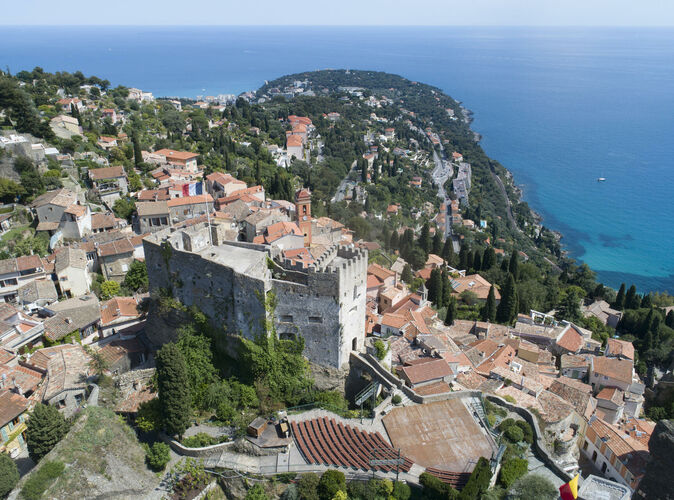
Roquebrune-Cap-Martin occupies a rare position on the Riviera, where geography, history, and daily practicality intersect. Set between Monaco and Menton, the commune stretches from a medieval hill village down to a protected coastal strip along Cap Martin. This layered setting creates a residential environment that feels distinctly separate from Monaco’s dense urban fabric, yet remains closely connected to it. Buyers are drawn to Roquebrune-Cap-Martin for its greenery, open views, and calmer pace, combined with immediate access to Monaco’s business, services, and international profile. Property ownership here is less about visibility and more about positioning: living close to one of Europe’s most influential micro-states while benefiting from space, residential continuity, and long-term stability that is increasingly difficult to find along the Riviera coastline.
Why Buyers Choose Roquebrune-Cap-Martin Over Monaco
Many buyers who could live inside Monaco intentionally choose Roquebrune-Cap-Martin instead, and the reasons are consistent. The commune offers direct proximity to Monaco without the compression, congestion, or vertical density that define life inside the Principality. Properties in Roquebrune typically provide more interior space, outdoor areas, and greenery, allowing for a more balanced daily routine. Historic depth also plays a role: the medieval village, long-established neighbourhoods, and protected coastline create a sense of continuity that newer developments cannot replicate. Pricing, while still premium, remains more proportionate to space and land than in Monaco itself. As a result, Roquebrune-Cap-Martin appeals strongly to primary residents, families, and long-term owners who want access to Monaco’s ecosystem without fully absorbing its urban intensity.
Living Between Village, Coast & Principality
Roquebrune-Cap-Martin functions as a residential bridge between worlds rather than a single-use destination. Daily life unfolds across different elevations and settings, allowing residents to choose how closely they engage with the coast, the village, or Monaco. This flexibility is central to the town’s appeal. Unlike resort-driven locations, Roquebrune maintains a working, year-round population supported by schools, local commerce, and cross-border employment. The result is a lifestyle shaped by routine rather than seasonality, where coastal access, village identity, and international connectivity coexist without competing for space or attention. For property owners, this balance supports long-term living patterns rather than short-term cycles.
A Layered Town with Distinct Living Zones
Roquebrune-Cap-Martin is structured vertically, with each zone offering a different residential experience. The medieval village sits high above the coast, defined by stone streets, historic homes, and a strong sense of place. Below, residential hillsides provide villas and apartments with open views toward Monaco and the Mediterranean. Along Cap Martin, the coastal strip offers lower-density homes near the sea, walking paths, and discreet beaches. These layers function independently yet remain closely connected, allowing residents to move easily between village calm, coastal routines, and cross-border activity. This internal diversity is one of Roquebrune’s defining strengths, supporting varied lifestyles within a single commune.
Coastal Life Without Resort Intensity
Life along the Cap Martin coastline is notably restrained compared to other Riviera seafronts. Beaches, coves, and the coastal path are used daily by residents rather than being dominated by large-scale tourism infrastructure. Commercial beachfront development is limited, which preserves a residential character even in peak seasons. Walking routes, swimming access, and quiet shoreline areas integrate naturally into everyday routines, supporting a slower and more consistent rhythm of life. For buyers, this environment offers the advantages of coastal living without the noise, turnover, or visual pressure associated with resort-driven towns. It is a coastline shaped by use rather than spectacle.
Historic Identity Anchoring Daily Life
The historic fabric of Roquebrune-Cap-Martin is not confined to monuments; it actively shapes how the town functions. Stone houses, narrow streets, and long-established neighbourhoods support a stable local population that lives and works in the area year-round. This continuity limits rapid change and reinforces planning restraint, which in turn protects property values. Daily life is anchored in familiar routes, local services, and a shared sense of identity that predates modern Riviera development. For buyers, this historic grounding signals long-term residential credibility rather than a place defined by trends or reinvention, making Roquebrune-Cap-Martin a compelling choice for enduring ownership.
View Properties Available in Roquebrune-Cap-Martin
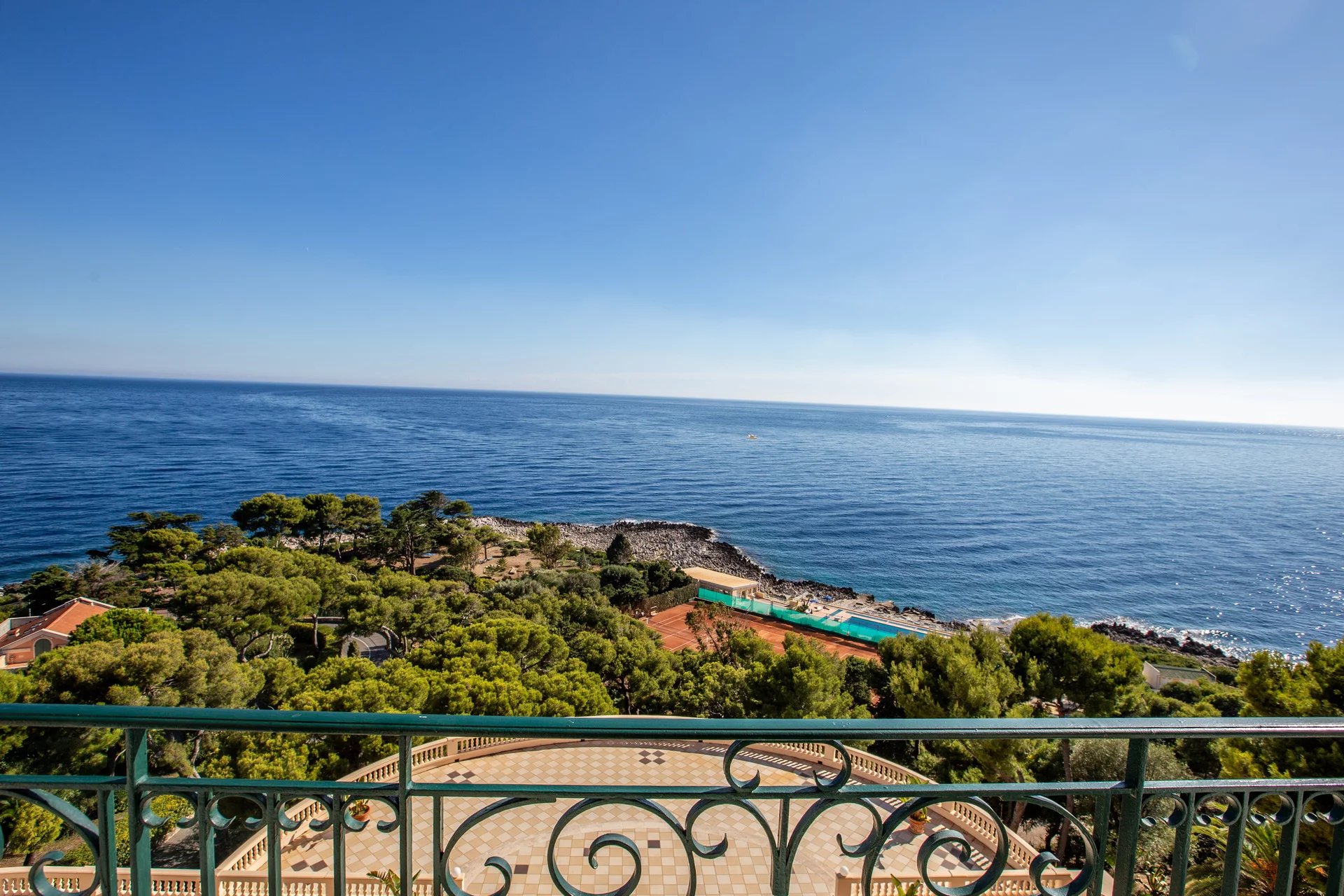
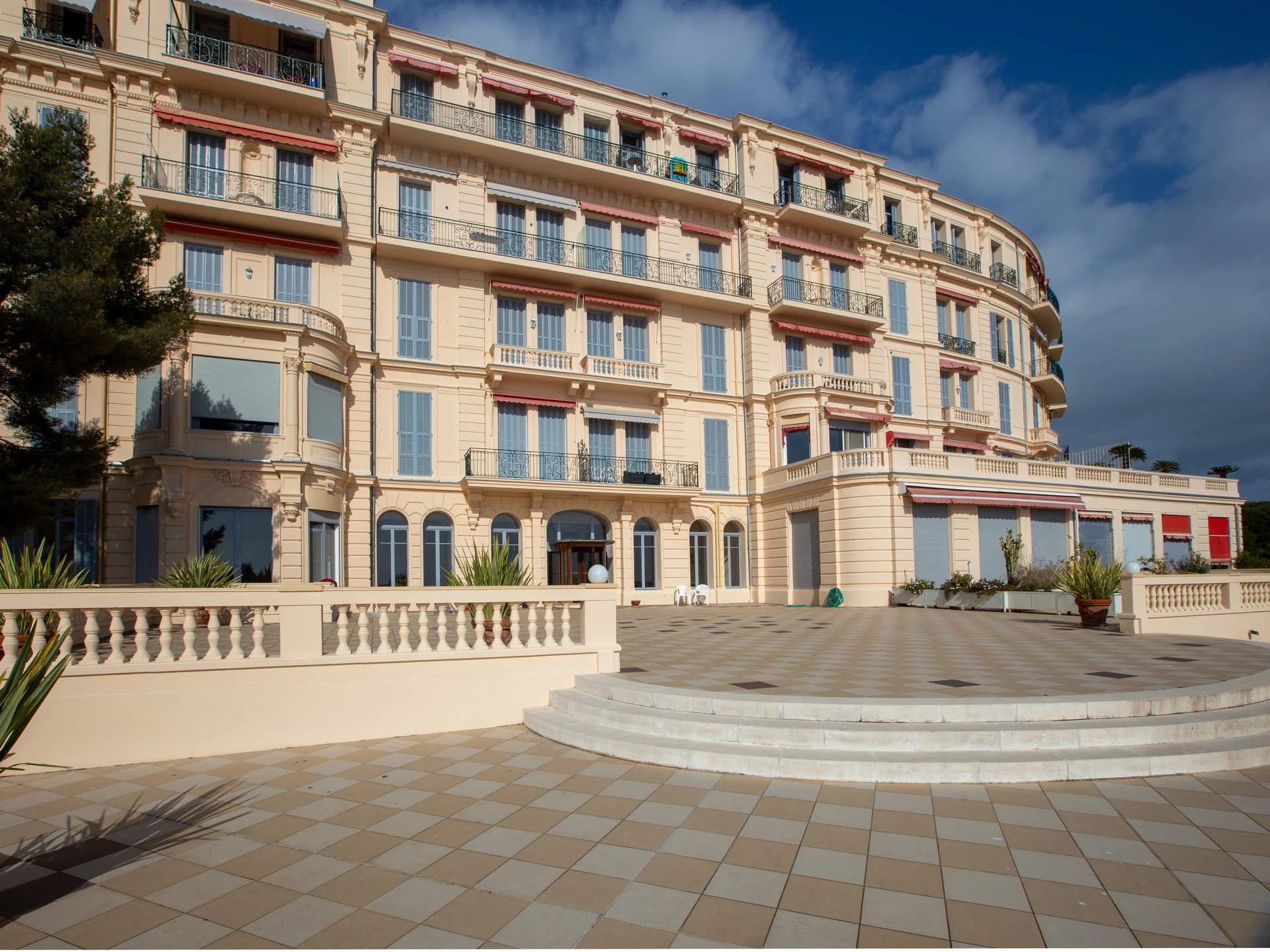
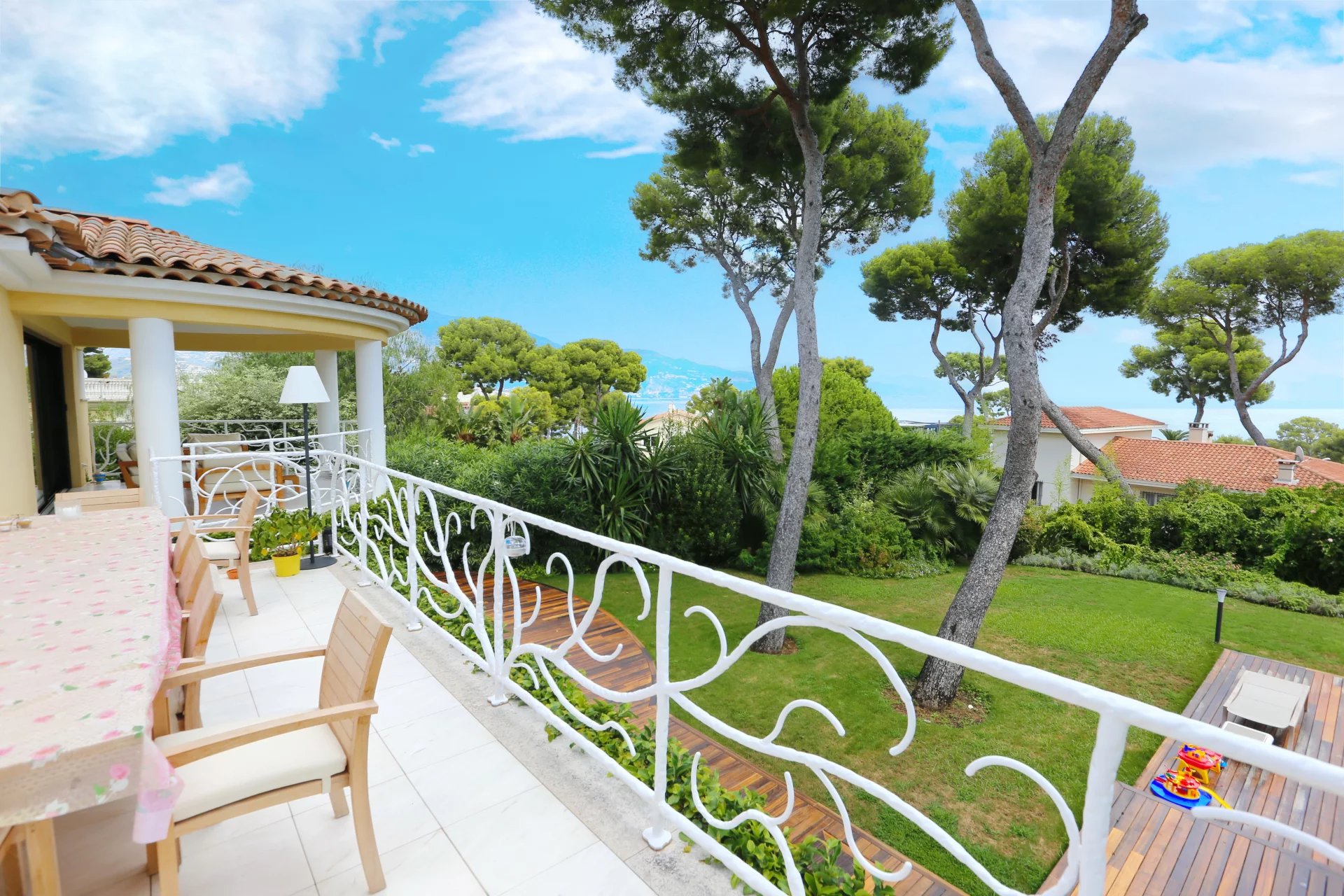
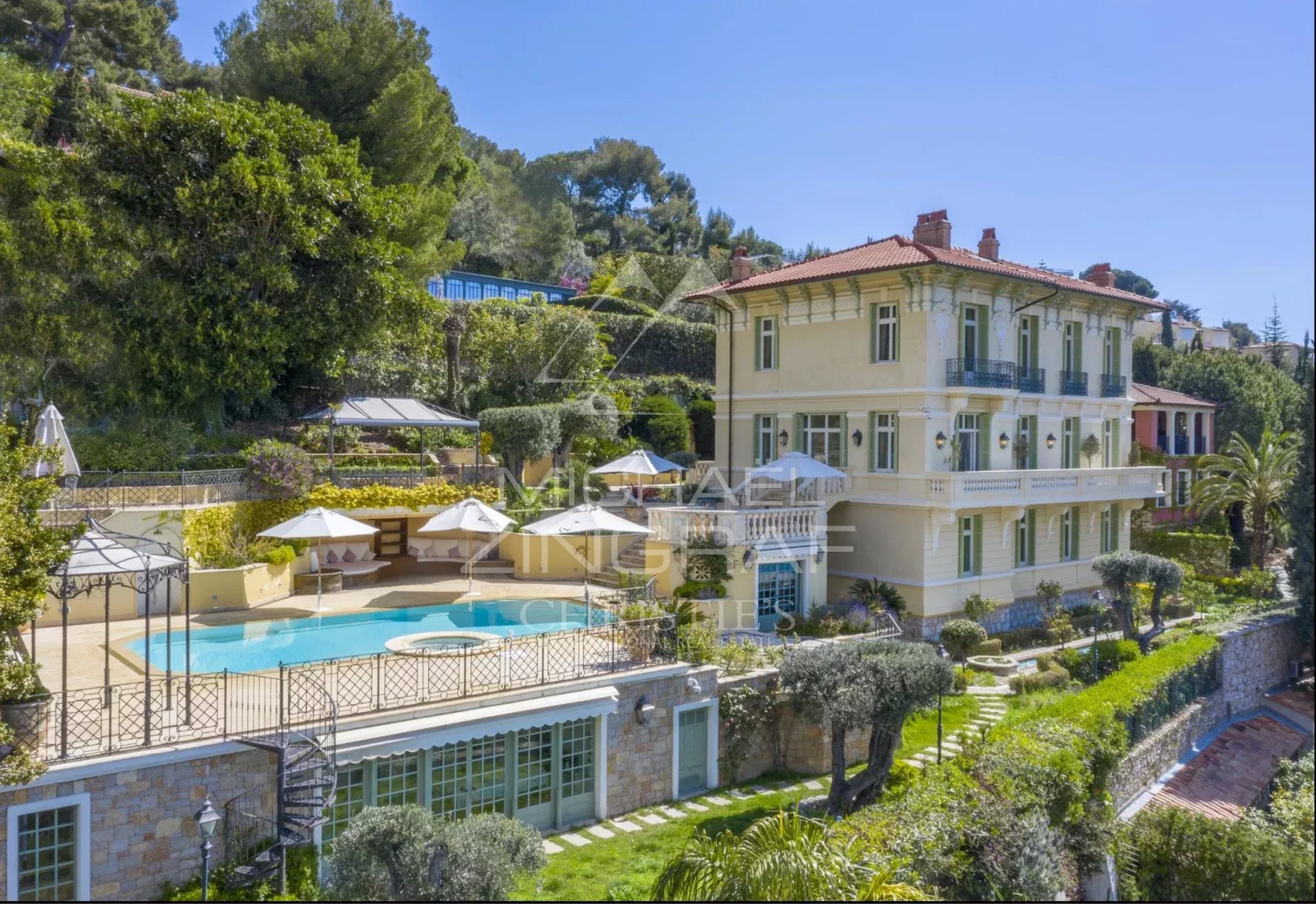
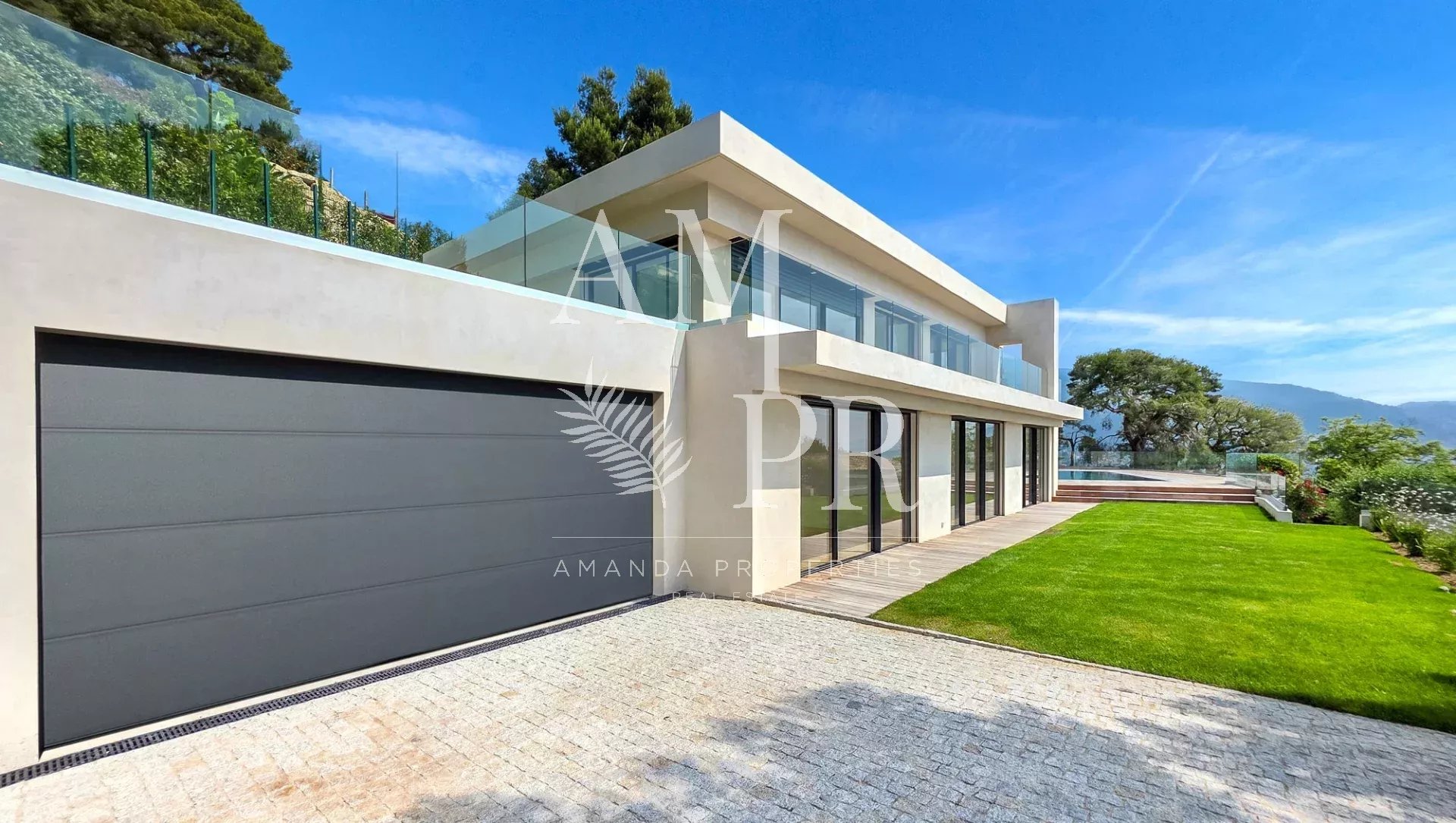
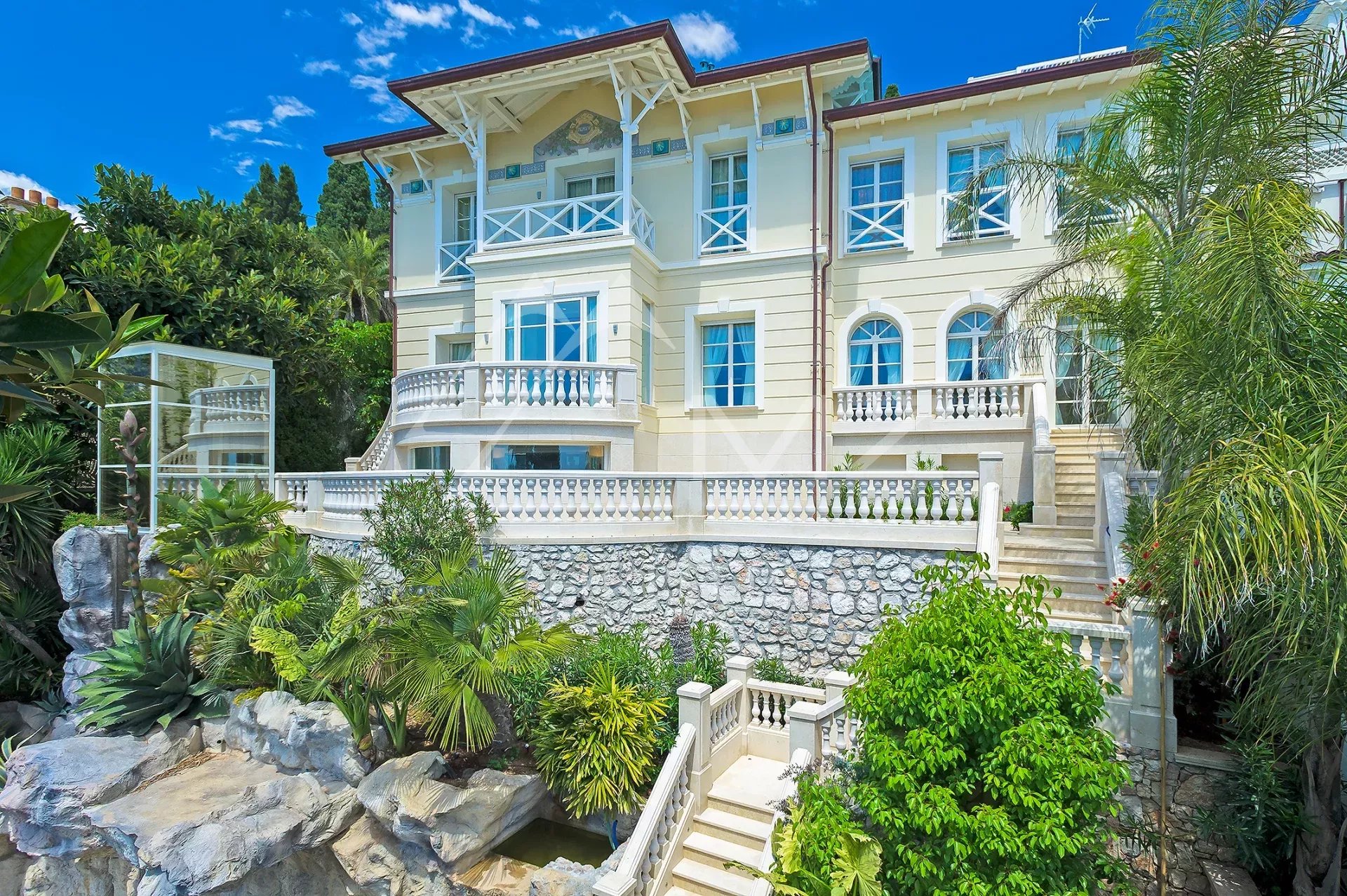
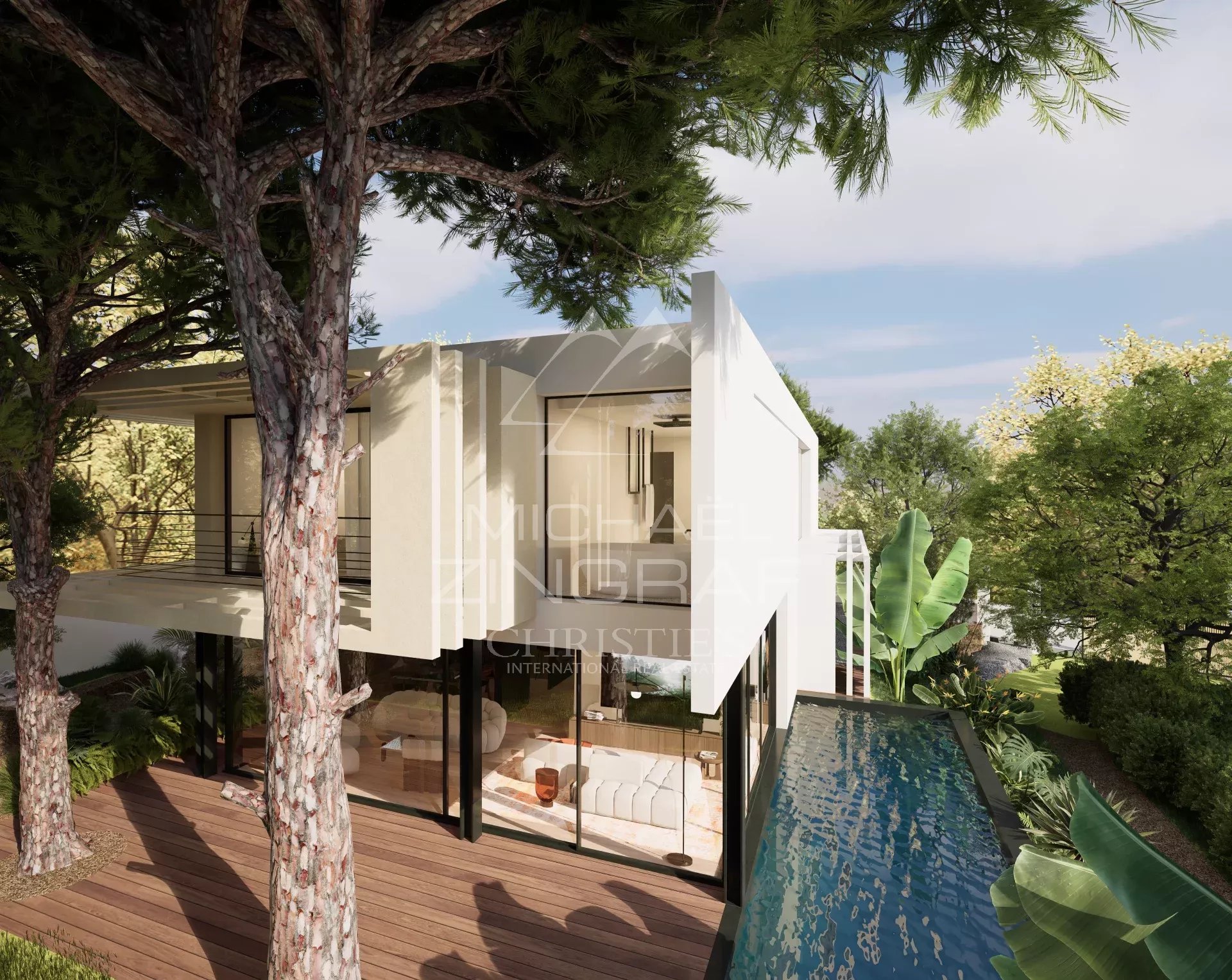
Roquebrune-Cap-Martin offers a tightly held residential market shaped by geography rather than volume. Properties here are distributed across hillside elevations, historic village streets, and the protected Cap Martin coastline, each appealing to a different living pattern while sharing the same long-term stability. Buyers will find hillside villas positioned to overlook Monaco and the bay, often benefiting from open exposure and reduced density. Along the coast, apartments near Cap Martin provide proximity to the sea without resort-style congestion. Within the old village, character homes sit inside preserved streets that prioritise continuity over change. Across all segments, demand is driven by year-round usability rather than seasonal turnover. Limited construction potential, strict planning controls, and cross-border appeal continue to support scarcity-based value over time.
Roquebrune-Cap-Martin Property Market Overview
Roquebrune-Cap-Martin’s property market is defined by restraint rather than expansion. With the sea on one side and the Monaco border on the other, supply is naturally limited, which shapes buyer behaviour and ownership patterns. Properties are typically held for long periods, and transactions are driven by lifestyle positioning rather than short-term opportunity. This creates a market where stability, location quality, and long-term use matter more than rapid price movement.
What Buyers Prioritise Here
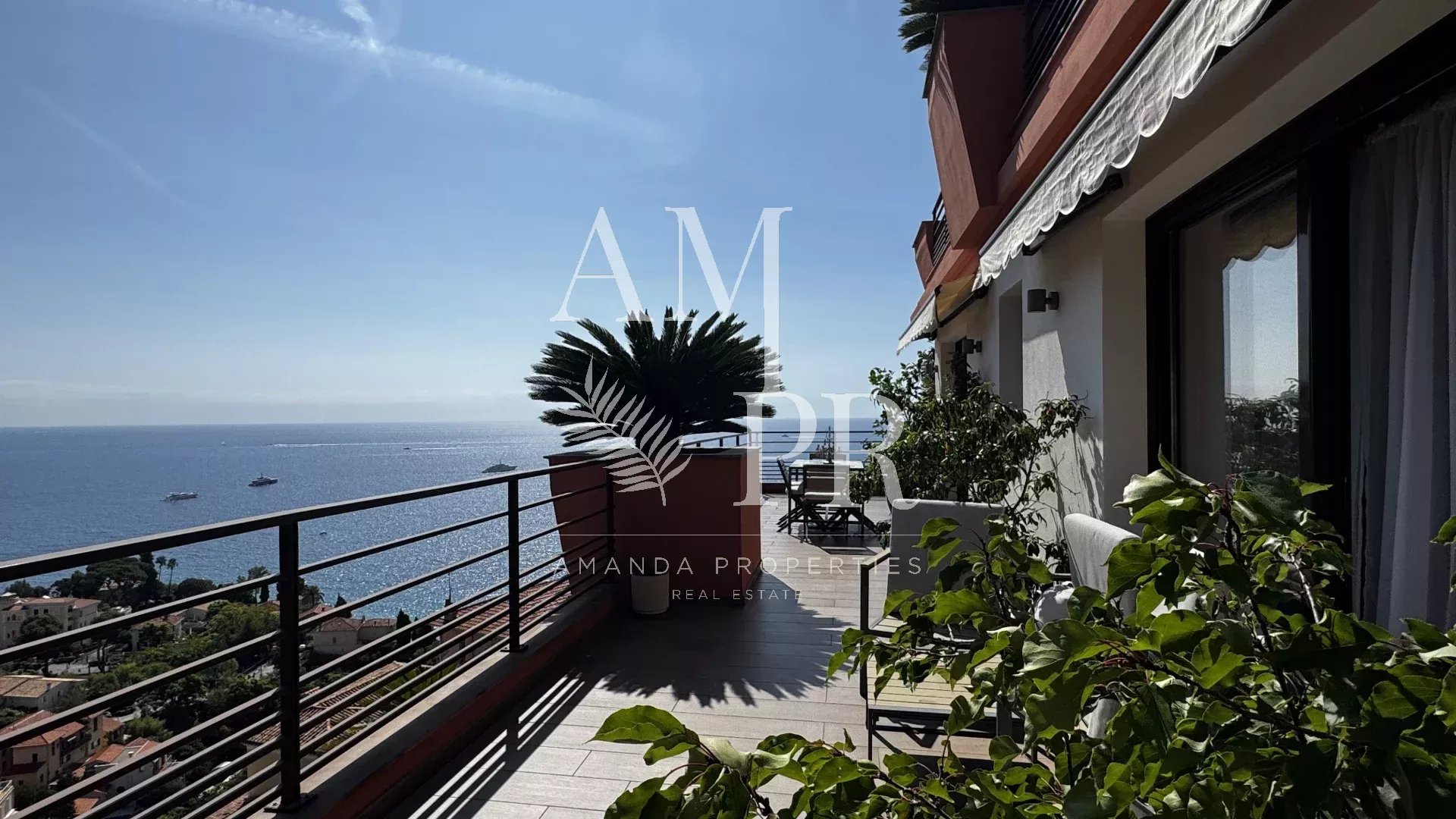
Buyers consistently focus on elevation and outlook, favouring properties that offer sea views without direct exposure to coastal congestion. Distance from Monaco’s traffic and density is a key factor, as many owners work or spend time in the Principality but prefer to live outside it. Outdoor space, terraces, and privacy are highly valued, particularly when combined with natural light and controlled surroundings. The aim is separation without isolation, being close to Monaco while remaining firmly residential.
Ownership & Rental Patterns
Ownership in Roquebrune-Cap-Martin leans strongly toward primary residences and semi-permanent living. Many buyers are Monaco professionals, retirees, or families who use their properties throughout the year rather than intermittently. Rental activity exists but is not dominant, and short-term holiday letting plays a secondary role compared to longer stays. This pattern reinforces residential stability and reduces the volatility often seen in tourism-driven markets.
Why Values Remain Resilient
Property values remain firm due to structural constraints rather than market cycles. The commune’s geography restricts expansion, particularly along Cap Martin, where planning rules and environmental protections are strict. Combined with consistent international demand and the town’s strategic border position, this limited supply continues to support long-term value retention across property types.
Access, Movement & Cross-Border Connectivity
Movement in Roquebrune-Cap-Martin reflects its residential purpose. The town is designed around local circulation and cross-border access rather than through-traffic, which supports daily living without constant congestion.
Everyday Mobility Across the Commune
Daily movement is organised through distinct access routes linking the village, hillside neighbourhoods, and coastal areas. Roads are practical and purposeful, serving residents rather than acting as transit corridors. This separation keeps traffic manageable and preserves the calm character of residential zones, even during peak periods nearby.
Monaco, Menton & Regional Access
Roquebrune-Cap-Martin offers immediate access to Monaco, making cross-border commuting straightforward without reliance on major motorways. Menton and the Italian border are equally close, adding regional flexibility. Rail connections and local roads provide efficient movement while maintaining a human scale, reinforcing the town’s role as a residential buffer rather than a transport hub.
Property Types Found in Roquebrune-Cap-Martin
Roquebrune-Cap-Martin offers a compact but varied residential landscape shaped by elevation, history, and proximity to Monaco. Property types here are not the result of large-scale development but of gradual, controlled growth over time. Buyers choose between hillside positions, coastal settings, or historic village environments based on how they intend to live day to day. Across all categories, the emphasis is on long-term usability, privacy, and outlook rather than volume or novelty.
Hillside Villas with Monaco Outlooks
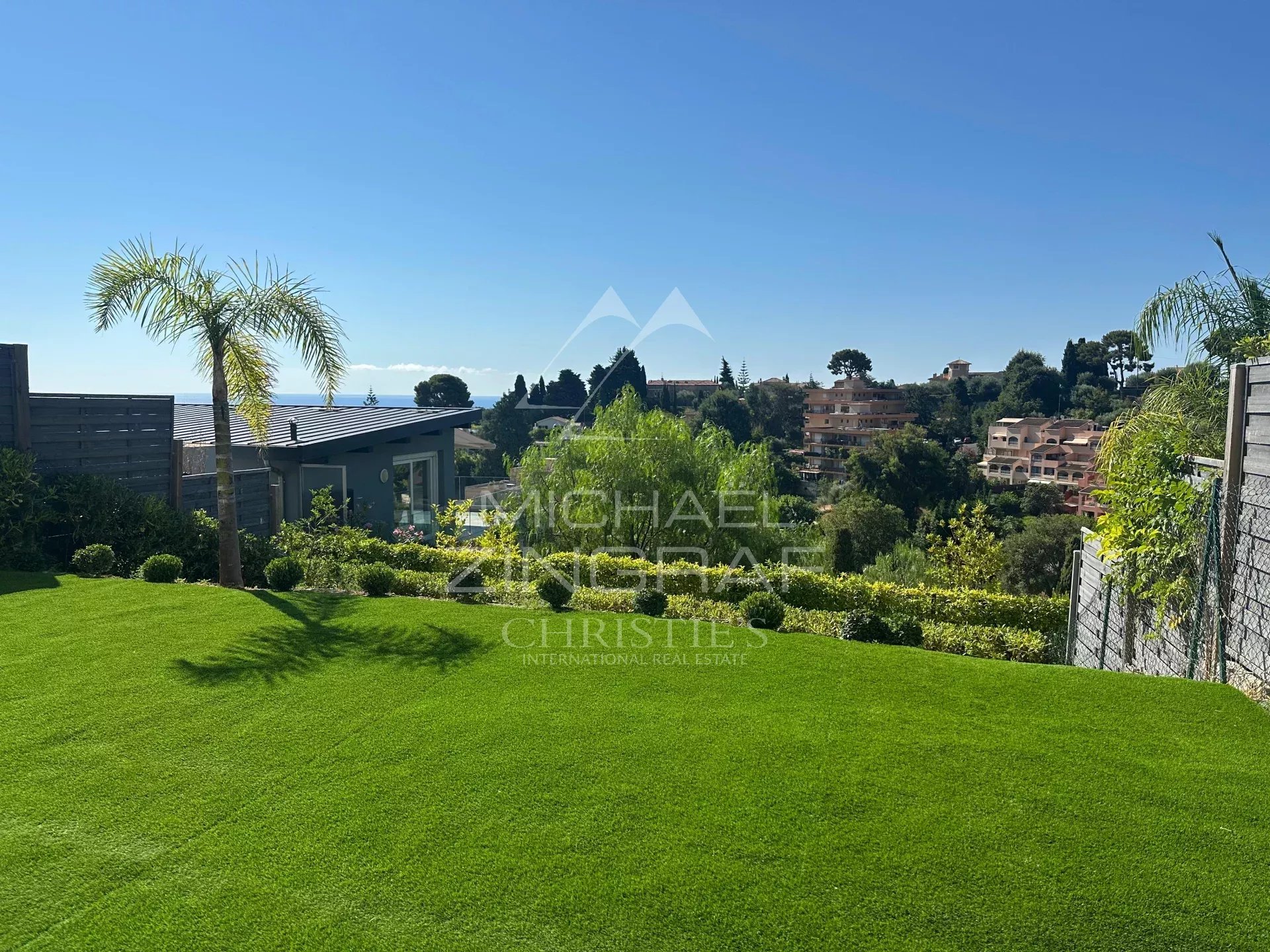
Hillside villas are positioned above the coastline and border zones, offering clear views toward Monaco and across the Mediterranean. These homes typically sit on sloping terrain with terraces, gardens, and strong visual separation from neighbouring properties. Buyers are drawn to this category for its balance of discretion and connection, allowing proximity to Monaco while maintaining residential calm. The elevation also supports light, airflow, and long-term value driven by view protection.
Coastal Apartments Along Cap Martin
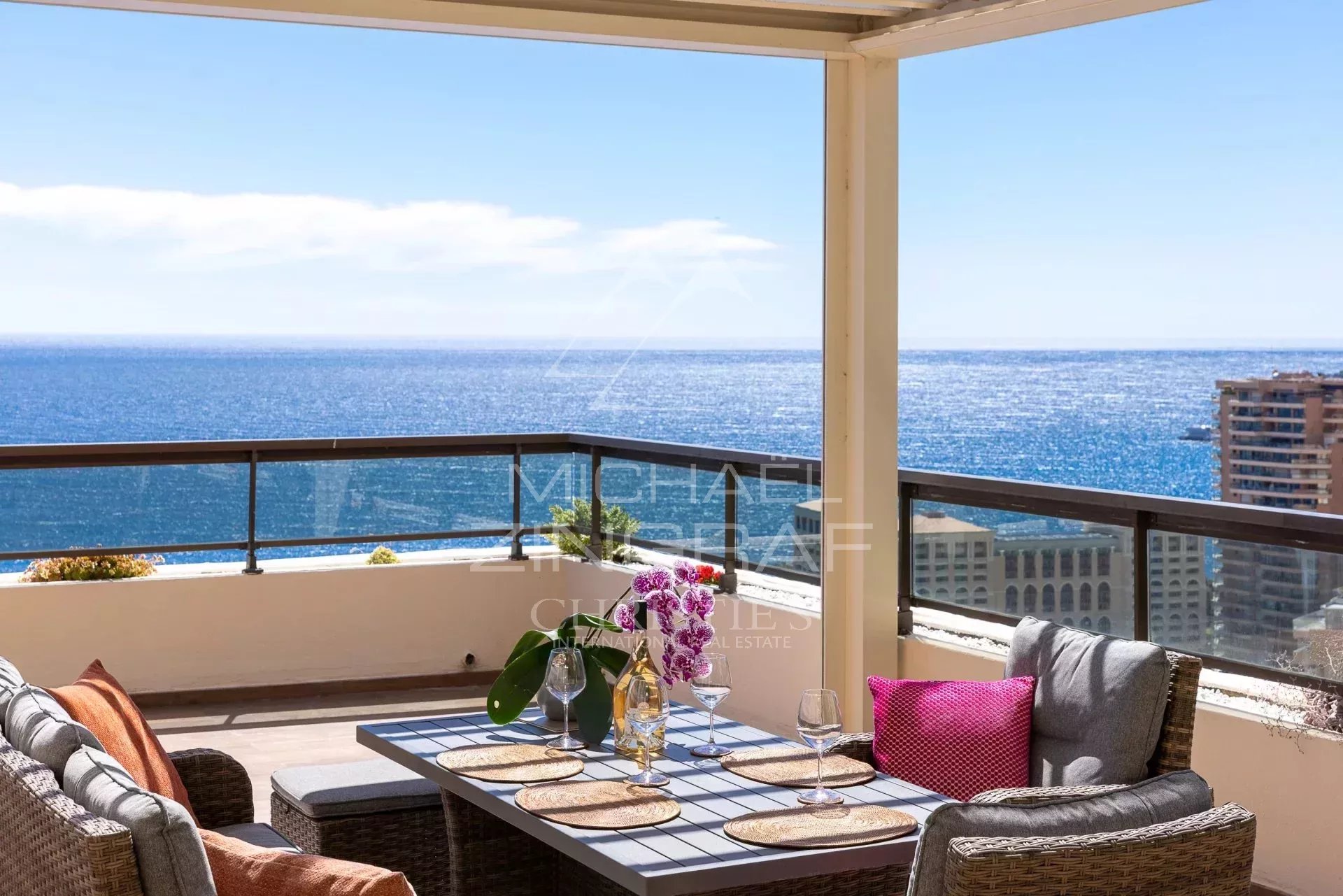
Apartments along Cap Martin provide direct access to the shoreline in a setting that remains residential rather than commercial. These properties appeal to buyers who want to be near the sea without resort density or nightlife pressure. Buildings are generally low-rise, and many apartments include terraces oriented toward the water. This segment attracts owners who value daily sea proximity and easy maintenance, often for extended stays rather than short visits.
Historic Village Homes
Homes within the historic village of Roquebrune are defined by stone construction, compact layouts, and preserved streetscapes. These properties suit buyers who prioritise character, elevation, and a quieter rhythm above the coast. Village homes often trade land size for atmosphere and walkability, offering proximity to local life while remaining removed from coastal traffic. Ownership here tends to be long-term, with careful renovation rather than redevelopment.
Contemporary Residences with Terraces & Parking
More recent residential buildings are typically found on the lower slopes or transitional zones between the village and the coast. These properties respond to modern living needs, offering terraces, parking, and practical layouts while remaining within strict planning limits. They appeal to buyers seeking comfort and ease of access, particularly those commuting to Monaco or Nice, without sacrificing the residential identity of the commune.
Micro-Locations Buyers Evaluate in Roquebrune-Cap-Martin
In Roquebrune-Cap-Martin, location decisions are guided less by neighbourhood names and more by elevation, border proximity, and exposure. Buyers assess how each micro-location interacts with views, access, and daily movement. Small shifts in height or orientation can significantly change how a property functions, making local understanding essential.
Roquebrune Village – Historic Elevation & Calm
The medieval village sits high above the coast, offering a sense of separation and continuity that appeals to buyers seeking quiet living with historic depth. Streets are narrow, traffic is limited, and daily life moves at a slower pace. Properties here benefit from elevation and outlook while remaining connected to the wider commune, making the village attractive for long-term residential use rather than seasonal stays.
Cap Martin Peninsula – Coastal Living & Privacy
The Cap Martin peninsula is defined by its protected coastline and residential orientation. Homes here benefit from sea access, walking paths, and limited through-traffic. Buyers choose this area for its balance of privacy and proximity, as the peninsula feels physically distinct despite being close to Monaco. Strict planning controls reinforce long-term value and preserve the character of the area.
Border Slopes – Immediate Monaco Access
Properties on the slopes closest to Monaco attract buyers who prioritise ease of cross-border movement. These homes offer quick access to the Principality while remaining outside its density and pricing structure. The appeal lies in efficiency rather than visibility, supporting daily commuting or frequent travel without immersion in Monaco’s urban environment.
Five Places That Shape Life in Roquebrune-Cap-Martin
These places are part of daily orientation and long-term identity in Roquebrune-Cap-Martin. They are not experienced as occasional attractions but as reference points that structure movement, outlook, and residential attachment. Together, they explain why the commune functions as a lived-in territory with historical depth and geographic coherence rather than a transient coastal stop.
Roquebrune Medieval Village
The medieval village forms the historic and emotional core of Roquebrune-Cap-Martin. Set high above the coast, it defines the commune’s sense of elevation and continuity. Residents move through its stone streets for daily routines, local services, and community events, making heritage part of everyday life. The preserved layout limits development pressure and reinforces long-term residential stability, which is a key factor for buyers seeking permanence rather than turnover.
Château de Roquebrune
The château dominates the village skyline and serves as a constant visual anchor across the commune. Beyond its historical significance, it functions as a point of orientation and collective identity for residents. Its protected status reflects strict heritage oversight, signalling to buyers that surrounding development is controlled. This preservation supports property value by maintaining sightlines, scale, and the historic character of the village environment.
Cap Martin Coastal Path
The coastal path along Cap Martin links residential areas, coves, and viewpoints while remaining largely free of commercial intrusion. Residents use it for daily walking, exercise, and shoreline access, reinforcing a lifestyle connected to the sea without resorting to congestion. The path also defines the peninsula’s protected status, underlining why coastal property here remains scarce and tightly regulated.
Le Corbusier’s Cabanon
Le Corbusier’s Cabanon represents Cap Martin’s architectural and cultural importance beyond conventional Riviera narratives. Its presence reinforces the area’s association with thoughtful design, restraint, and landscape integration. For residents, it highlights how Cap Martin has long attracted individuals seeking privacy and reflection rather than display. Its UNESCO recognition further anchors the peninsula within a protected cultural framework.
Olive Tree of Roquebrune
The ancient olive tree near the village symbolises Roquebrune’s agricultural and residential continuity. It is part of the daily landscape rather than a fenced landmark, reinforcing the commune’s connection to long-term settlement and land stewardship. This sense of rootedness appeals strongly to buyers who value history, stability, and the preservation of natural and cultural assets.
Considering Property Ownership in Roquebrune-Cap-Martin
Property ownership in Roquebrune-Cap-Martin requires an understanding of geography, cross-border dynamics, and long-term planning constraints. The commune’s position between Monaco and Menton creates strong demand from buyers seeking proximity without density. Effective guidance focuses on matching elevation, access, and exposure to lifestyle goals, particularly for Monaco-linked professionals and families. Many of the most suitable properties are discreetly held and do not appear on the open market. A long-term ownership approach is essential in a geographically finite area where supply is structurally limited and residential continuity remains the defining value.